-
Engagement ringsWedding ringsEternity ringsDiamondsGemstones
Brown Lab Grown Fancy Diamonds
What is a brown lab grown fancy diamond?
A brown lab grown fancy diamond is a real diamond — identical in chemical composition to a mined stone — produced in a laboratory using either high-pressure high-temperature (HPHT) or chemical vapour deposition (CVD) processes. The brown colour arises from structural irregularities in the crystal lattice, specifically the presence of defect clusters associated with plastic deformation. In lab grown stones, these characteristics are deliberately introduced or controlled during production. The result is a stone that carries the same hardness (10 on the Mohs scale), the same refractive index, and the same IGI, HRD or GIA certification as any other lab grown diamond — but with a warm, earthy hue ranging from light champagne through deep cognac to rich chocolate tones. Brown lab grown fancy diamonds are graded using the same colour intensity scale as natural fancy diamonds: Faint, Very Light, Light, Fancy Light, Fancy, Fancy Dark, Fancy Deep, and Fancy Intense.
How does the lab grown origin affect colour and value?
Lab grown origin does not alter the optical or physical properties of a brown fancy diamond — the colour, clarity, and cut characteristics remain equivalent to their natural equivalents. What does differ is price per carat: brown lab grown fancy diamonds are available at a meaningfully lower cost than equivalent natural brown diamonds, allowing a larger or higher-clarity stone within a given budget. This makes the lab grown route particularly suitable when size and colour saturation matter more than long-term resale considerations. It is worth noting that all fancy coloured lab grown diamonds — including brown — carry a certified grade on the colour intensity scale, so the depth of warmth is documented precisely on the stone's grading report from GIA, HRD or IGI rather than left to subjective description.
What settings and metals suit a brown lab grown fancy diamond?
Brown lab grown fancy diamonds pair well with warm metals. Rose gold and yellow gold — available in 9ct, 14ct and 18ct — draw out the cognac and champagne undertones in lighter brown grades, creating a tonal harmony across the ring. Deeper chocolate-brown stones can also be set in platinum or white gold, where the contrast between cool metal and warm stone gives a more graphic result. Bezel and rub-over settings anchor the girdle fully, which suits the rounded or cushion outlines that brown fancy diamonds are frequently cut into. Four-claw solitaire settings allow maximum light to enter from the sides, which is important with coloured diamonds — colour is read partly through the pavilion, so an open, well-ventilated setting helps the hue read evenly. When a brown lab grown fancy diamond is set into one of our rings, it receives a London Assay Office hallmark as part of our standard finishing process.
What does a brown lab grown fancy diamond cost in the UK?
Brown lab grown fancy diamonds sit at the accessible end of the fancy colour spectrum. Because brown is one of the more common colour outcomes in diamond crystal growth, both natural and lab grown brown stones are less rare than pink, blue or green equivalents, and this is reflected in their pricing. The lab grown origin reduces cost further, making it possible to acquire a well-saturated Fancy Intense brown stone in a larger carat weight for a budget that might otherwise yield a small or lightly tinted stone. Bridebook's 2026 UK average engagement ring spend of £2,247 illustrates the mid-market budget range; a brown lab grown fancy diamond used as a centre stone can often exceed that budget's expectations in size and colour depth.
Caring for a brown lab grown fancy diamond
Brown lab grown fancy diamonds require no special care beyond standard diamond maintenance. As a 10 on the Mohs hardness scale, the stone itself is highly resistant to scratching, though the metal setting warrants appropriate attention depending on the alloy chosen. Avoid prolonged exposure to chlorine, which can degrade gold alloys over time. A soft brush, mild soap, and warm water will clear any oils or residue that accumulate beneath the stone and affect how the colour reads. Ultrasonic cleaners are generally safe for brown diamonds unless the stone has significant inclusions close to the surface — the grading report from GIA, HRD or IGI will indicate this. Our lifetime warranty covers the setting, and resizing is available free of charge if the ring ever needs adjustment.
Frequently asked questions
Are brown lab grown diamonds real diamonds?
Yes. Brown lab grown fancy diamonds are chemically and physically identical to mined diamonds — pure carbon in a cubic crystal structure, rated 10 on the Mohs scale. The only difference is origin: they are grown in a laboratory rather than extracted from the earth. Each stone is certified by GIA, HRD or IGI, confirming its colour grade, clarity, and carat weight.
What colour grades do brown lab grown fancy diamonds come in?
Brown lab grown fancy diamonds are graded on the same intensity scale as all fancy colour diamonds: Faint, Very Light, Light, Fancy Light, Fancy, Fancy Dark, Fancy Deep, and Fancy Intense. Lighter grades read as champagne or cognac; deeper grades appear as rich chocolate. The grading report from GIA, HRD or IGI documents the precise intensity, removing any ambiguity.
Can I return a brown lab grown fancy diamond if it is not right?
Loose brown lab grown fancy diamonds are returnable within 30 days, no questions asked, with no exclusions. If the stone has already been set into a ring — a bespoke or custom order — the standard ring returns policy applies instead. All returns are covered by our complimentary insured UK delivery arrangement, so there is no cost to return a loose stone.
How long does it take to set a brown lab grown diamond into a ring?
Once a stone is selected and a ring design confirmed, the made-to-order process takes 7–14 working days from order confirmation. This covers CAD design, a silver or wax sample for approval at our Hatton Garden workshop, casting, setting, polishing, and hallmarking at the London Assay Office. Simpler solitaire settings are usually completed closer to 7 days; intricate pavé or bespoke designs take longer.
Is a brown lab grown diamond a good choice over a natural brown diamond?
The choice depends on priorities. A brown lab grown fancy diamond offers the same colour saturation and hardness as a natural equivalent, typically at a lower price per carat — making a larger or more intensely coloured stone achievable within a given budget. Natural brown fancy diamonds may be preferred where long-term resale value is a consideration. Both are certified to the same standards.
Featured brown lab grown fancy diamonds
Hand-selected pieces from the President Jewellers catalogue
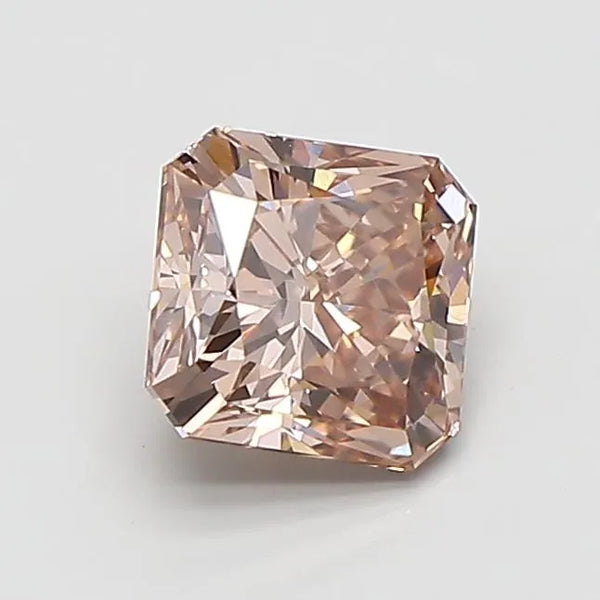
1.01ct Square radiant Lab Grown Diamond (Colour Fancy Light Brown, Clarity VVS1, IGI Certified)
£476.00
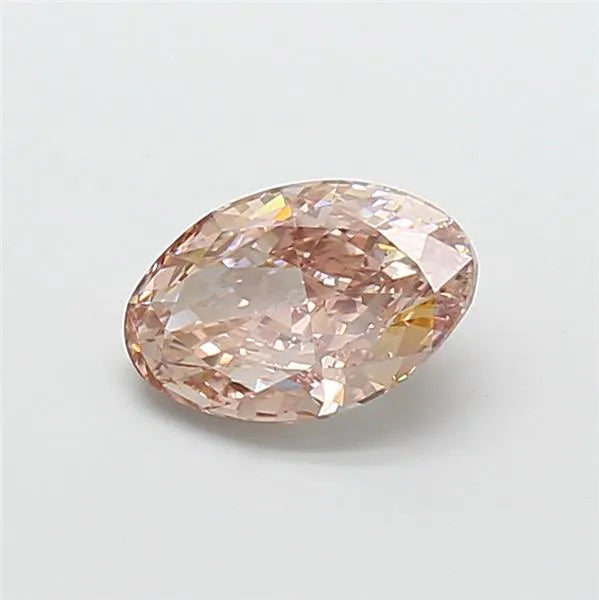
2.00ct Oval Lab Grown Diamond (Colour Fancy Light Pink Brown, Clarity VS1, IGI Certified)
£751.00
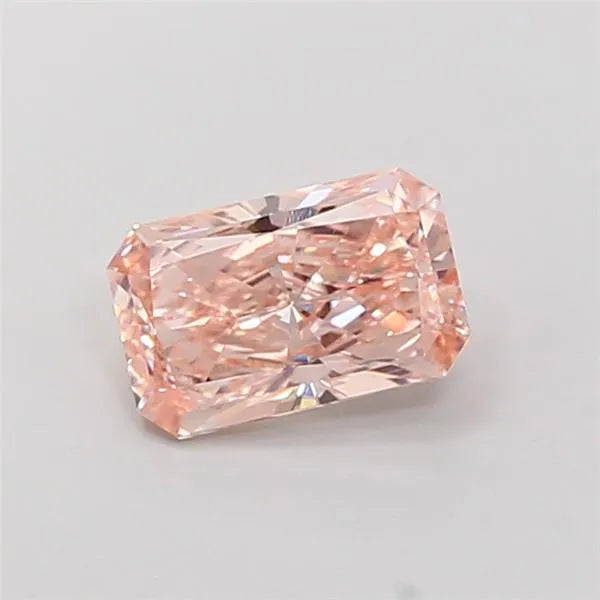
1.52ct Radiant Lab Grown Diamond (Colour Fancy Pink Brown, Clarity VVS2, Cut ID, IGI Certified)
£280.00

2.03ct Oval Lab Grown Diamond (Colour Light Brownish Yellow, Clarity VS1, IGI Certified)
£481.00
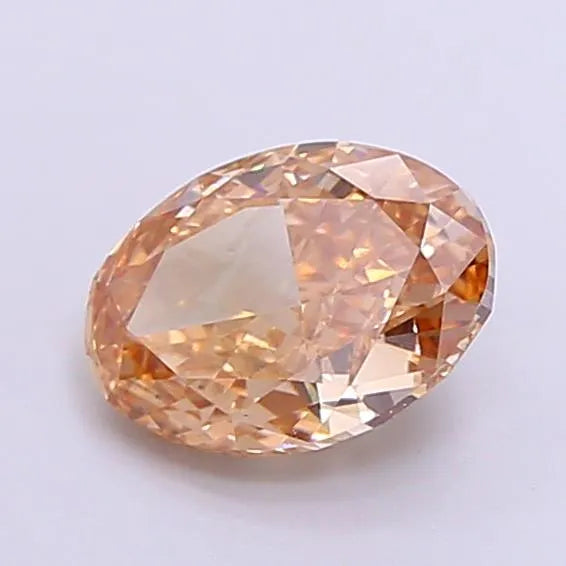
1.52ct Oval Lab Grown Diamond (Colour Fancy Light Brown, Clarity VS1, IGI Certified)
£559.00
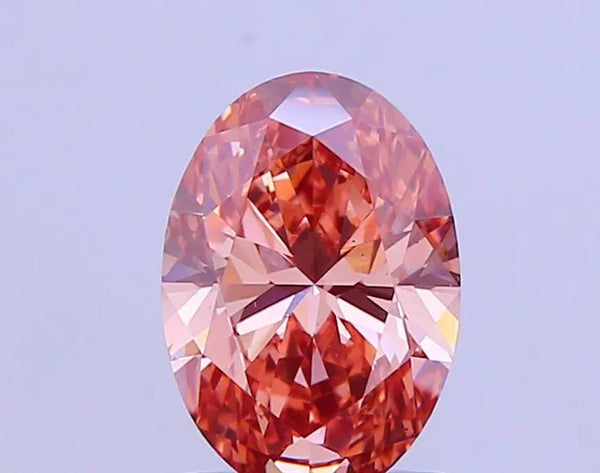
1.52ct Oval Lab Grown Diamond (Colour Fancy Pink Brown, Clarity VS1, IGI Certified)
£305.00
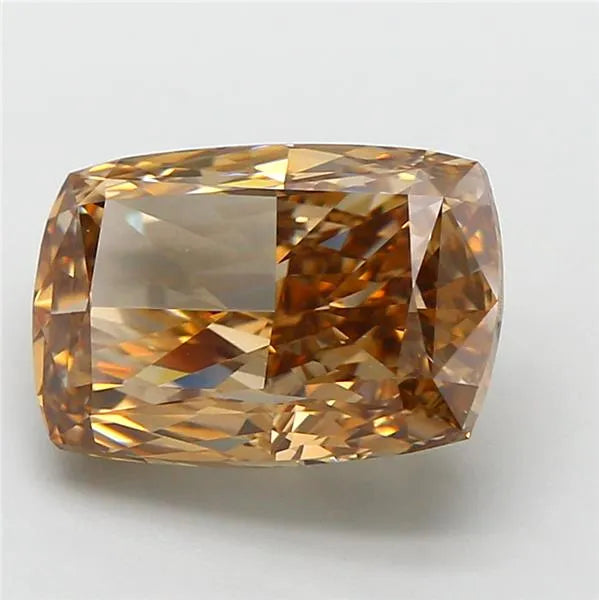
4.52ct Cushion modified Lab Grown Diamond (Colour Fancy Yellow Brown, Clarity VVS2, IGI Certified)
£2,419.00
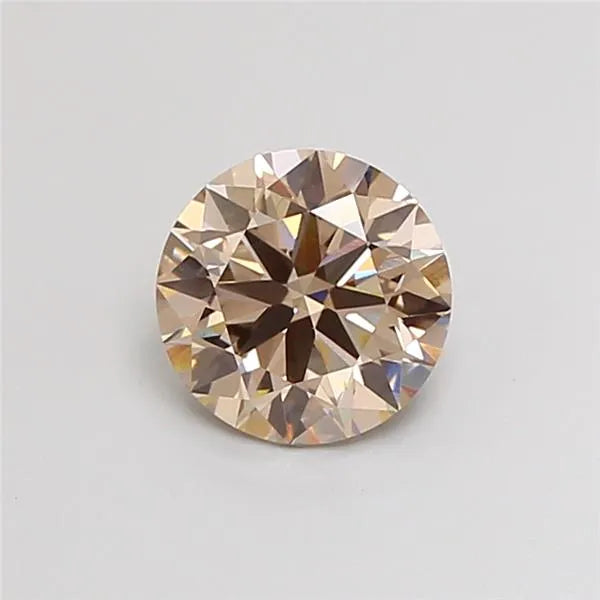
1.78ct Round Lab Grown Diamond (Colour Fancy Light Brown, Clarity VS1, Cut EX, IGI Certified)
£670.00
You might also like
Related collections and pages from President Jewellers
Loose & certified
Looking to pair it with a ring?
Every diamond on this page is loose — buy it on its own, set it into a ring of your own design, or pair it with one of our settings. Open any stone, click Set in a ring, and we’ll take you to your engagement, eternity or wedding band options.
Already have a setting in mind? Tap the menu icon and choose Engagement Rings › Ring Builder.
What our customers say
From your first question to your finished ring — our Hatton Garden specialists are here throughout. Crafted for your forever.
From your first question to your finished ring — our Hatton Garden specialists are here throughout. Crafted for your forever.