Find Your Natural Diamond
Every stone certified by GIA, IGI or HRD — full report, 360° video and macro photography on every listing 5–7 days
Featured find your natural diamond
Hand-selected pieces from the President Jewellers catalogue
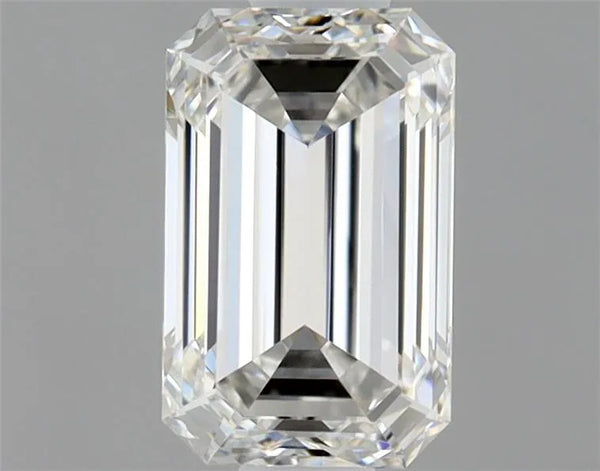
0.67ct Emerald Natural Diamond (Colour G, Clarity VVS1, Cut VG, GIA Certified)
£934.00
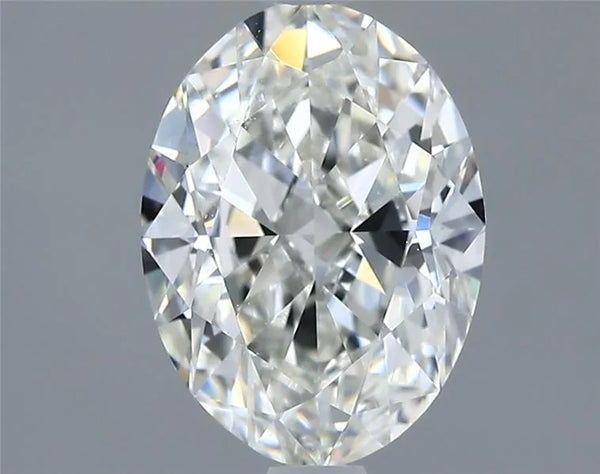
1.50ct Oval Natural Diamond (Colour H, Clarity VVS2, GIA Certified)
£6,943.00
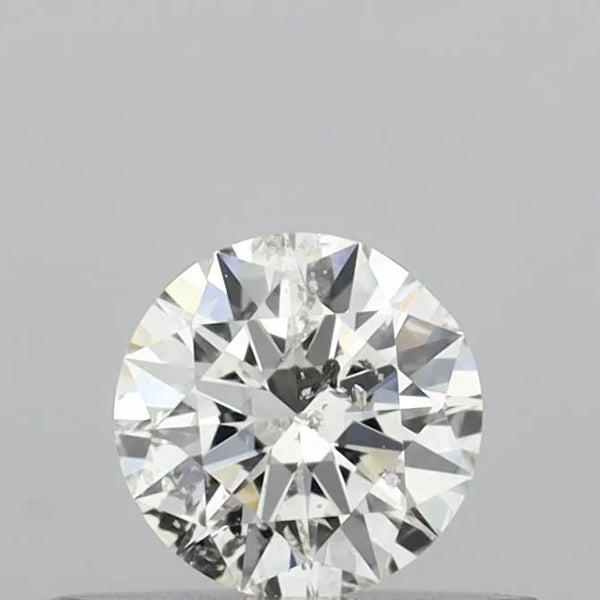
0.31ct Round Natural Diamond (Colour H, Clarity I1, Cut EX, IGI Certified)
£114.00
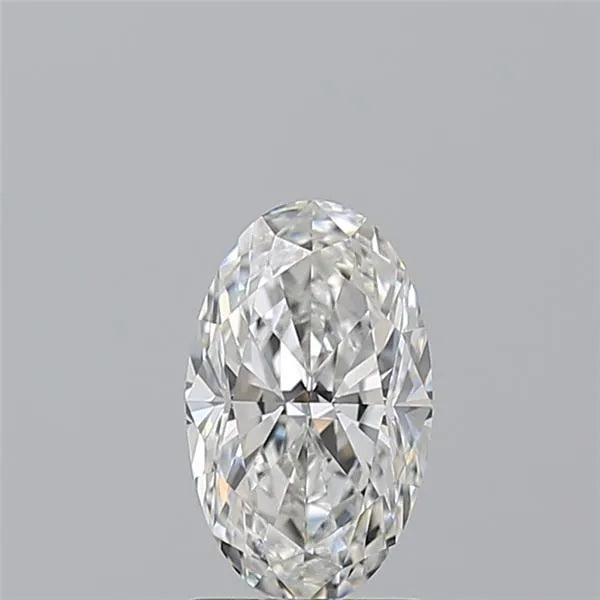
1.31ct Oval Natural Diamond (Colour F, Clarity VVS2, GIA Certified)
£5,616.00
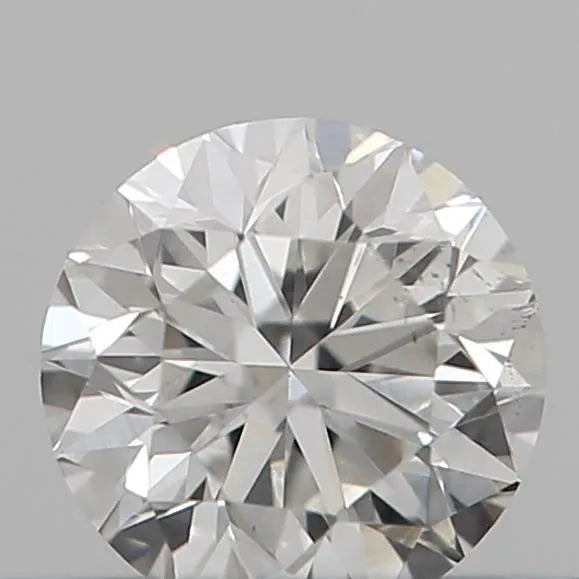
0.14ct Round Natural Diamond (Colour D, Clarity SI2, Cut VG, IGI Certified)
£107.00
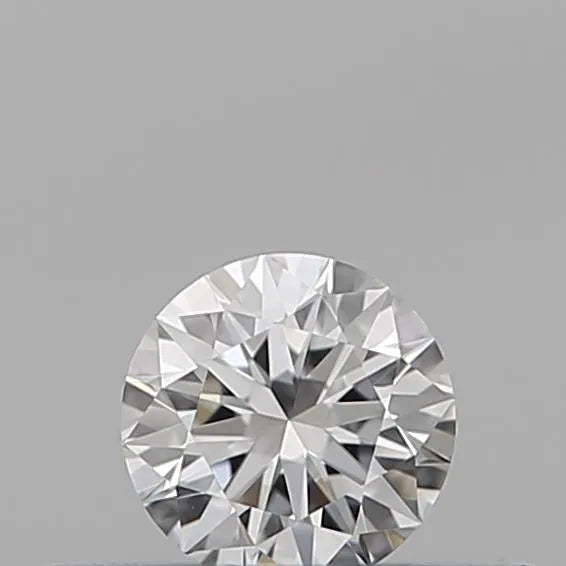
0.12ct Round Natural Diamond (Colour I, Clarity VVS1, Cut VG, IGI Certified)
£106.00
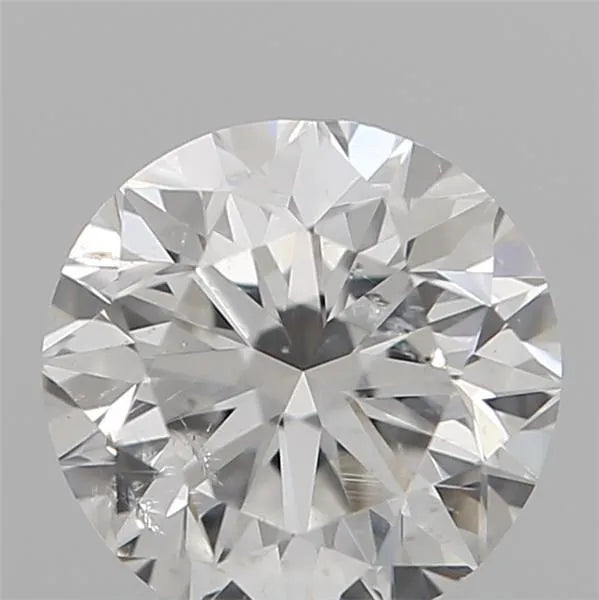
0.13ct Round Natural Diamond (Colour I, Clarity SI1, Cut VG, IGI Certified)
£93.00
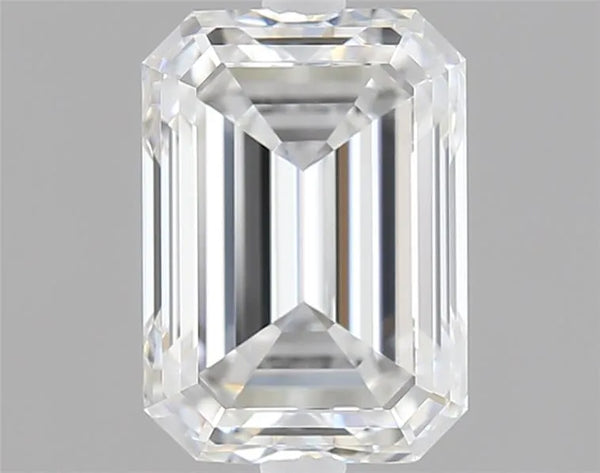
1.50ct Emerald Natural Diamond (Colour E, Clarity VVS1, GIA Certified)
£8,375.00
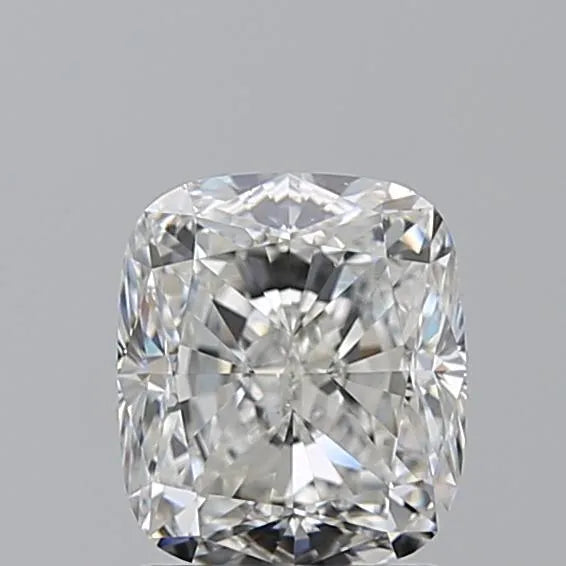
2.00ct Cushion brilliant Natural Diamond (Colour H, Clarity VS2, GIA Certified)
£6,773.00
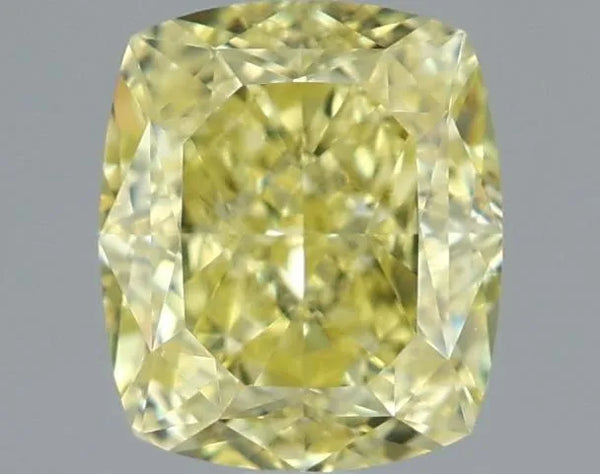
1.02ct Cushion brilliant Natural Diamond (Colour Fancy Intense Yellow, Clarity VS2, GIA Certified)
£4,668.00
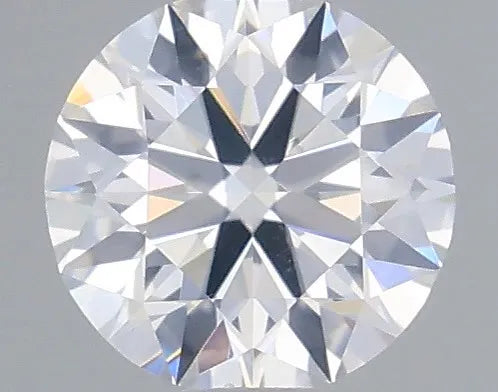
0.30ct Round Natural Diamond (Colour E, Clarity SI1, Cut EX, IGI Certified)
£254.00

0.21ct Round Natural Diamond (Colour J, Clarity SI2, Cut EX, GIA Certified)
£172.00
At President Jewellers, every natural diamond is hand-picked from a live catalogue of over 500,000 certified loose stones — every standard fancy shape, the full colour range from D through L, every clarity grade from Flawless through Included, in carat weights up to 10.00ct. Each stone ships with an independent report from GIA, IGI or HRD, a 360° video and macro photography so you can study the cut, brilliance and inclusions before you buy. Complimentary insured UK delivery in 5-7 working days. Free returns for up to 30 days — no questions, no exclusions, no restocking fee. Loose for setting into a piece you already own, or set into a ring our jewellers handcraft at our bench in Hatton Garden — the square mile that's been Britain's jewellery quarter since the 1800s.
Our natural diamond inventory at a glance
The catalogue runs deeper than most UK jewellers. Across natural mined diamonds alone:
- Ten shapes — Round Brilliant, Princess, Oval, Emerald, Asscher, Cushion, Heart, Marquise, Pear and Radiant.
- Colour D to L — the entire colourless and near-colourless range graded by GIA, IGI and HRD, plus the warmer faint-yellow grades for buyers prioritising size at a given budget.
- Clarity FL to I — Flawless and Internally Flawless at the top, through VVS1, VVS2, VS1, VS2, SI1, SI2 to the included grades. Every stone shown with its plotted inclusions diagram on the certificate.
- Carat up to 10.00ct — though most engagement and dress-ring centre stones sit between 0.50ct and 3.00ct, the inventory supports statement pieces up to ten carats for buyers who need them.
If you want fancy coloured natural diamonds — pinks, blues, yellows, salt-and-pepper, champagne — visit our fancy diamond hub, which mirrors the same inventory depth across seventeen colour categories.
How a natural diamond is formed
A natural diamond is pure crystallised carbon. It forms about 100 miles below the Earth's surface, in the upper mantle, where temperatures sit around 1,000°C and pressure exceeds 45 kilobars — conditions sustained for between one and three billion years. Under that pressure and heat, carbon atoms bond into the cubic crystal structure that gives diamond its hardness, its brilliance, and its near-impossible thermal stability.
The stones reach human hands by accident of geology. Roughly 100 million years ago, deep volcanic eruptions punched vertical pipes of molten rock — called kimberlite — up through the crust, carrying diamond crystals with them. Today's commercial mines tap those kimberlite pipes, concentrated principally in Botswana, Russia, Canada, South Africa and Australia.
What you're buying when you buy a natural diamond is roughly a billion years of geology, an independent grading report, and the supply-chain documentation that comes with a stone tracked from mine through cutting house to our showroom in Hatton Garden.
Every diamond comes with the same documentation
What's on the listing for any natural diamond at President Jewellers:
- The full grading report from one of three labs — Gemological Institute of America (GIA), International Gemological Institute (IGI), or Hoge Raad voor Diamant (HRD, the Antwerp lab). All three are independent third parties; none of them are owned by the trade.
- 360° video — a high-resolution rotation of the stone so you can see how it catches light from every angle, not just the polished face-up view.
- Macro photography — extreme close-ups showing the table, the crown, any inclusions noted on the certificate, and the colour through the pavilion.
- Origin information where the supplier provides it — many of our natural diamonds carry ethical-mine attestations from the producing country.
This is the level of documentation jewellers used to reserve for stones over five carats. We extend it to every listing because buying a stone you can't see in person should feel as safe as walking into our Hatton Garden showroom and asking to see it under a loupe.
Choose by shape
Each shape page lists the live inventory in that cut, with the same D–L colour, FL–I clarity and carat range:
- Round Brilliant Natural Diamonds — the classic cut, maximum brightness, 57 or 58 facets.
- Oval Natural Diamonds — elongated brilliant, flattering on the finger, excellent face-up size for carat.
- Emerald Cut Natural Diamonds — step-cut, hall-of-mirrors clarity, demands a higher clarity grade.
- Cushion Natural Diamonds — soft square with rounded corners, antique character.
- Princess Cut Natural Diamonds — square brilliant, sharp corners, brilliant fire.
- Asscher Cut Natural Diamonds — square step-cut, art-deco geometry.
- Radiant Cut Natural Diamonds — rectangular brilliant, brilliance of a round with the silhouette of an emerald.
- Pear Natural Diamonds — teardrop, mixed brilliant cut.
- Marquise Natural Diamonds — elongated with pointed ends, dramatic finger coverage.
- Heart Natural Diamonds — modified brilliant, often a sentimental commission.
What does a natural diamond cost in the UK?
Natural diamond pricing varies widely with the 4Cs (carat, colour, clarity, cut). Roughly indicative bands for UK buyers at typical engagement-ring spec — round brilliant, eye-clean clarity, near-colourless:
- 0.50ct — from around £1,500 to £2,800, depending on colour, clarity and cut grade.
- 1.00ct — typically £4,000 to £8,000 for a well-graded stone. A D-colour, VS1, ideal-cut round will sit at the top of the band (closer to £8,000); a G or H colour at VS2 with very good cut sits closer to £4,000-£5,500 — both look exceptional to the naked eye.
- 2.00ct — typically £12,000 to £30,000. The jump from 1ct to 2ct doubles carat but more than triples the price because larger rough diamonds are exponentially rarer.
- 3.00ct and above — from around £30,000 upward, with significant variation by shape and grade. Flawless or Fancy Vivid stones can reach six figures.
For comparison, an equivalent lab-grown 1.00ct round brilliant at the same grades typically sits between £1,400 and £3,000 — roughly a third of the natural price. If you want the same finger-size diamond at a fraction of the cost, the lab-grown option is on our lab-grown diamond hub. If long-term value retention and provenance matter, natural is the right answer.
Every stone on this page lists its exact price live. Use the widget filters to refine by carat, colour and clarity until you find the combination that fits your budget.
Setting a loose diamond into a President Jewellers ring
The diamonds on this page are sold loose. If you'd like one set into a ring, here's how that works.
Every ring in our setting catalogue is priced with a 1.0ct IGI-certified centre stone in the shape that matches the ring's variant — a round-solitaire setting is priced with a round 1.0ct, an oval halo with an oval 1.0ct, and so on. Accents (side stones, pavé, halo melee) are included in that base price.
You can swap that default 1.0ct centre for any diamond from this page — a different carat, a different shape, a colour or clarity grade better suited to your budget, or one of our fancy coloured naturals from the fancy diamond hub. The 1.0ct centre stone's value is refunded from the ring's base price, and the diamond you've chosen is added in. No mark-up on the swap, no setup fee, no catch.
The ring itself is then handcrafted to order. Our process:
- CAD design — a 3D render of your ring with your chosen centre stone, sent for approval before any metal is touched.
- Wax or silver sample — a one-to-one model of the finished ring, posted to you (or available to try at the Hatton Garden showroom) so you can feel the proportions before we cast.
- Cast and set in your chosen metal — 18ct yellow, white or rose gold; 950 platinum; or 9ct and 14ct gold on selected variants. Stone set, polished, finished.
- Hallmarked at the London Assay Office — Britain's oldest assay office, established 1300. Hallmarks confirm metal purity and origin to UK consumer-protection standards.
- Insured UK delivery — typically 7-14 working days from order confirmation. Simple solitaires sit at the shorter end; intricate pavé or bespoke pieces at the longer end.
Every ring includes complimentary engraving on the inner band — initials, date, a private inscription — and free lifetime resizing. If your finger size changes ten years from now, the resize is on us.
Returns, assurance and payment
Loose diamonds: the stone itself is fully returnable within 30 days of delivery — no questions, no exclusions, no restocking fee, and return shipping is free. If the stone in person isn't the stone you saw on screen, send it back and we refund to the original payment method. Loose-stone delivery is 5-7 working days, complimentary, insured.
Rings: 30-day returns on standard inventory. Custom and bespoke pieces (which is most of our ring orders, since every ring is CAD-designed for the buyer) are excluded from the 30-day window — but every ring carries a lifetime warranty against manufacturing defects.
Payment: we accept all major cards, PayPal, Apple Pay and Google Pay. PayPal Pay in 3 is available on orders £20–£3,000: pay one third today, the next two thirds spread across the following two months, no interest, no credit check.
UK delivery is complimentary and insured throughout. International delivery is available on request.
Natural or lab-grown?
Both natural and lab-grown diamonds are graded to the same 4Cs by the same labs (GIA, IGI, HRD), and are optically and chemically identical at the atomic level. The choice usually comes down to two factors:
- Price per carat. Lab-grown diamonds sit at roughly 30-50% the price of an equivalent natural stone, which means a buyer can step up two or three grades — or two carats — at the same budget. If size or spec matters more than provenance, lab tends to win.
- Long-term value. Natural diamonds have a deeper secondary market and tend to hold their value over decades. Lab-grown stones don't yet have that same resale infrastructure, though the picture is changing.
We sell both, certified to the same standards, with the same documentation, the same return policy, and the same setting service. If lab is the right answer for you, browse our lab-grown diamond hub.
Frequently asked questions
Is a natural diamond a real diamond?
Yes. A natural diamond is crystallised carbon formed deep in the Earth's mantle over a billion years. It is the same hardness (10 on the Mohs scale), the same refractive index, the same thermal conductivity, and the same chemical composition as a lab-grown diamond — both are real diamonds by every scientific definition. The difference is provenance: one took a billion years and continental geology to form, the other took a few weeks in a controlled reactor. Both are independently graded by GIA, IGI and HRD using identical methodology.
Are natural diamonds worth anything?
Yes — natural diamonds retain value better than most consumer purchases. The secondary market for certified natural stones over 0.50ct is well established, with major auction houses (Christie's, Sotheby's, Bonhams), dealer networks, and dedicated resale platforms transacting daily. A GIA-graded natural diamond is essentially a portable, internationally-priced asset with universal grading provenance. Fancy coloured natural diamonds — particularly pinks, blues and reds — have outpaced most asset classes over the last twenty years.
Where do natural diamonds come from?
Natural diamonds are mined from kimberlite pipes — volcanic formations that originated 100+ miles below the Earth's surface and were brought up by ancient eruptions. Modern commercial mines are concentrated in Botswana, Russia, Canada, South Africa and Australia, with smaller production in Lesotho, Namibia, Sierra Leone, the Democratic Republic of Congo and Zimbabwe. Every natural diamond we sell carries supply-chain documentation back to mine of origin and grading from one of the three major independent labs.
What does the D-to-L colour grade mean?
D, E, F are colourless. G, H, I, J are near-colourless — to the naked eye, indistinguishable from D once the diamond is set, especially in white or rose gold. K, L are faint yellow, increasingly visible without magnification but often a good choice in yellow gold settings where warmth complements the metal. We list every stone with its certificate-graded colour and a high-resolution video so you can judge the colour yourself.
What does FL-to-I clarity mean?
FL (Flawless) and IF (Internally Flawless) have no inclusions visible at 10x magnification. VVS1, VVS2 are very, very slightly included — inclusions exist but are extremely difficult to see at 10x. VS1, VS2 are very slightly included. SI1, SI2 are slightly included, and inclusions may be visible to the naked eye in larger stones. I1, I2, I3 are included grades. For most engagement-ring centre stones we recommend VS2 or above; for a budget-stretching choice, a well-positioned SI1 can be "eye-clean" — looks flawless to the naked eye — at a meaningfully lower price.
Can I see the diamond before I commit?
Yes, in three ways. (1) Every listing has a 360° video and macro photography. (2) You can book a private viewing at our Hatton Garden showroom and we'll ship the stone in for you to see in person under daylight, store lighting and loupe magnification. (3) If you buy and it arrives differently to how you expected, you have 30 days to return it, no questions.
What's the difference between GIA, IGI and HRD?
All three are independent gemmological laboratories with standardised grading methodologies. GIA (founded 1931, US) is the oldest and most widely recognised globally — known for the strictest colour and clarity grading. IGI (founded 1975, Antwerp) is the largest in volume, particularly for lab-grown diamonds. HRD (founded 1973, Antwerp) is the European reference lab, with strong recognition across the EU jewellery trade. Stones we list will carry whichever lab originally graded them; all three are equally accepted for insurance and resale.
How much is a 1 carat natural diamond in the UK?
For a well-graded 1.00ct natural diamond — near-colourless (G-H), eye-clean clarity (VS1-VS2), very good or excellent cut — expect to pay roughly £4,000 to £8,000 loose. A D-colour, Flawless, ideal-cut round can reach £12,000 or more; a J-colour, SI1, good-cut round can come in around £3,000. Shaped diamonds (oval, pear, emerald, cushion) sit slightly below rounds at the same grade because the cutting yield is higher. Every diamond on this page lists its live price next to the certificate.
Does the UK have natural diamonds?
Not as a commercial source. A handful of natural diamonds have been recorded in British geology — the most famous is the Brookeborough diamond, found in a stream in Co Fermanagh in 1813. A small diamond was also discovered near Ben Hope in Scotland in the 1870s by Professor M. F. Heddle of St Andrews University. There is no commercial UK diamond mining today; the natural diamonds we sell are mined principally in Botswana, Russia, Canada, South Africa and Australia, and reach our Hatton Garden showroom through ethically-sourced supplier networks.
Is it worth buying natural diamonds anymore?
For long-term value, yes — natural diamonds retain their value better than lab-grown because the secondary market for certified naturals is mature and supply is genuinely finite. The major diamond auction houses (Christie's, Sotheby's, Bonhams) trade certified natural stones daily, and the closure of Australia's Argyle mine in 2020 has tightened pink-diamond supply specifically. For maximum diamond per pound spent, lab-grown is the better answer (roughly a third of the natural price for the same physical stone and certificate). The right choice depends on whether you're optimising for long-term value or for size and quality at a given budget.
How long does it take to get a ring made?
Typically 7-14 working days from when you confirm the CAD design. Simple solitaires move faster; pavé, halos and intricate settings sit at the longer end. We'll give you a specific date when we confirm your order. Loose diamonds (without a setting) ship within 5-7 working days.
Can I return a loose diamond?
Yes — the stone itself is fully returnable within 30 days of delivery. No questions, no exclusions, no restocking fee, and we cover the return shipping. Refund goes back to the original payment method. Once a diamond is set into a ring, the ring becomes a bespoke piece and the 30-day return window no longer applies (lifetime warranty does).
How quickly do loose diamonds ship?
Complimentary insured UK delivery, typically 5-7 working days from order confirmation. Same-day or next-day collection can be arranged at our Hatton Garden showroom on request.
What metals are available?
All rings are available in 950 platinum and 18ct gold (yellow, white or rose) as standard. 9ct and 14ct gold are available on selected ring variants where the design allows.
Is there a deposit or finance option?
No deposit needed — full payment is taken at order confirmation. For BNPL, PayPal Pay in 3 splits your order across three monthly payments (first today, then one each month for the next two months) on orders between £20 and £3,000. No interest, no credit check.
Loose & certified
Looking to pair it with a ring?
Every diamond on this page is loose — buy it on its own, set it into a ring of your own design, or pair it with one of our settings. Open any stone, click Set in a ring, and we’ll take you to your engagement, eternity or wedding band options.
Already have a setting in mind? Tap the menu icon and choose Engagement Rings › Ring Builder.