Find Your Lab Diamond
Every stone certified by IGI, GIA or HRD — full report, 360° video and macro photography on every listing 5–7 days
Featured find your lab diamond
Hand-selected pieces from the President Jewellers catalogue

3.39ct Round Lab Grown Diamond (Colour F, Clarity VS1, Cut EX, GIA Certified)
£1,056.00
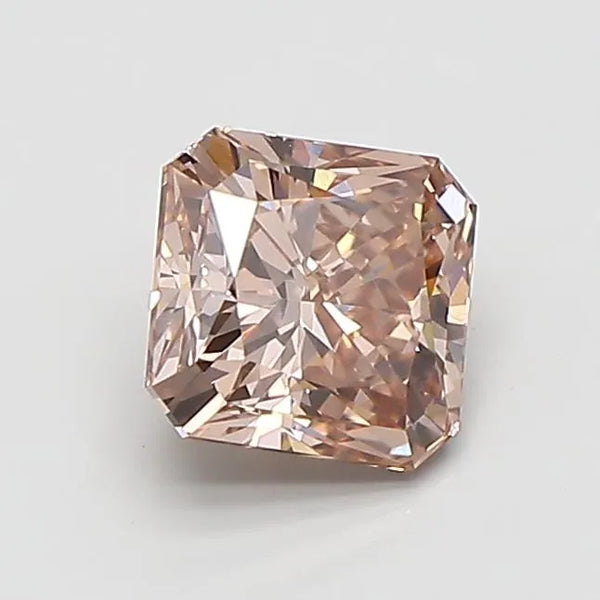
1.01ct Square radiant Lab Grown Diamond (Colour Fancy Light Brown, Clarity VVS1, IGI Certified)
£476.00
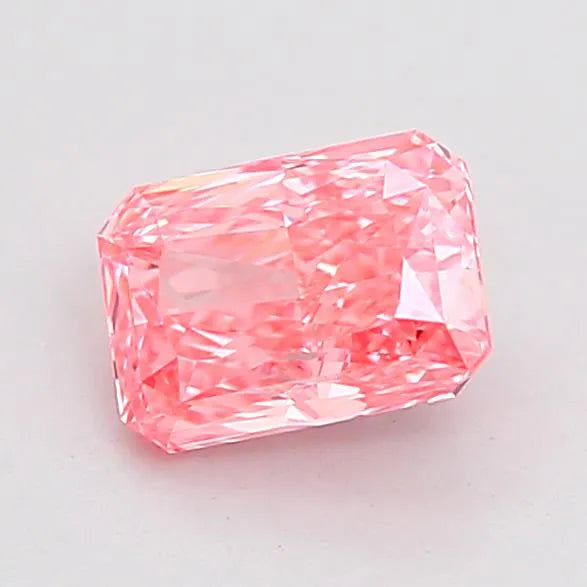
1.03ct Radiant Lab Grown Diamond (Colour Fancy Vivid Pink, Clarity VVS1, IGI Certified)
£333.00
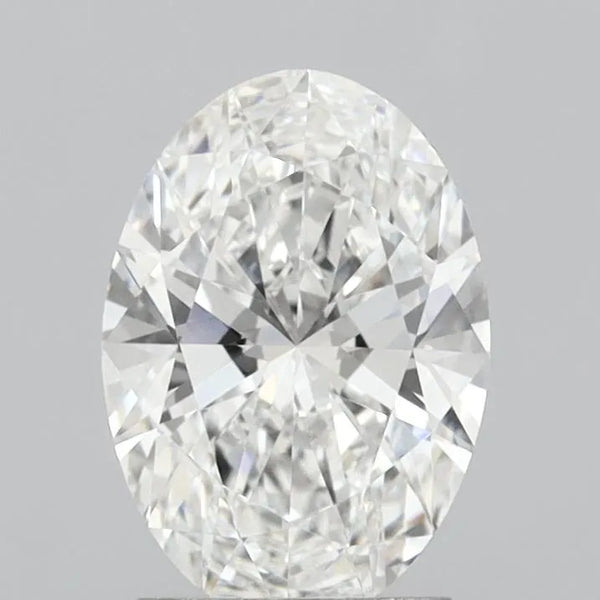
2.08ct Oval Lab Grown Diamond (Colour E, Clarity VVS1, IGI Certified)
£417.00
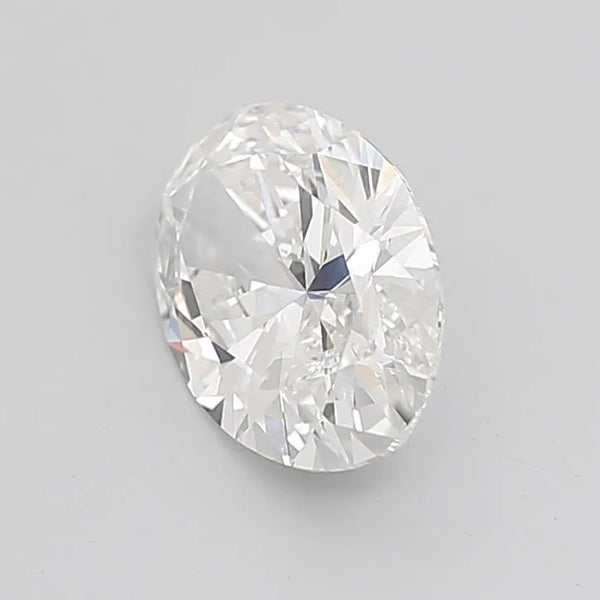
3.06ct Oval Lab Grown Diamond (Colour E, Clarity VS1, IGI Certified)
£582.00
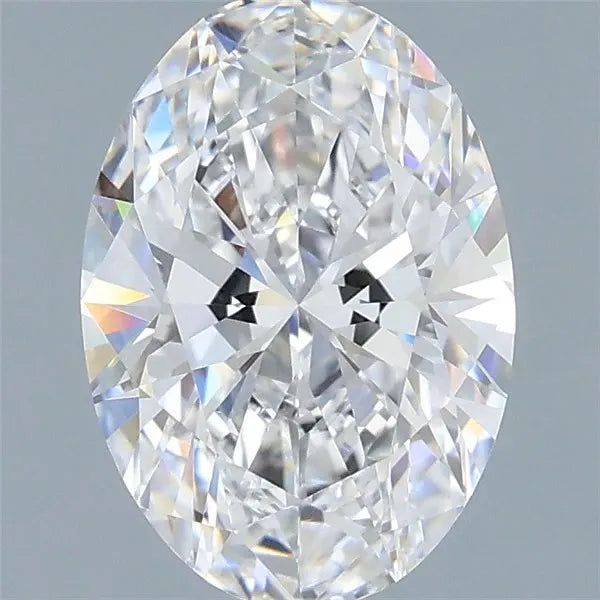
1.57ct Oval Lab Grown Diamond (Colour D, Clarity VVS1, IGI Certified)
£270.00
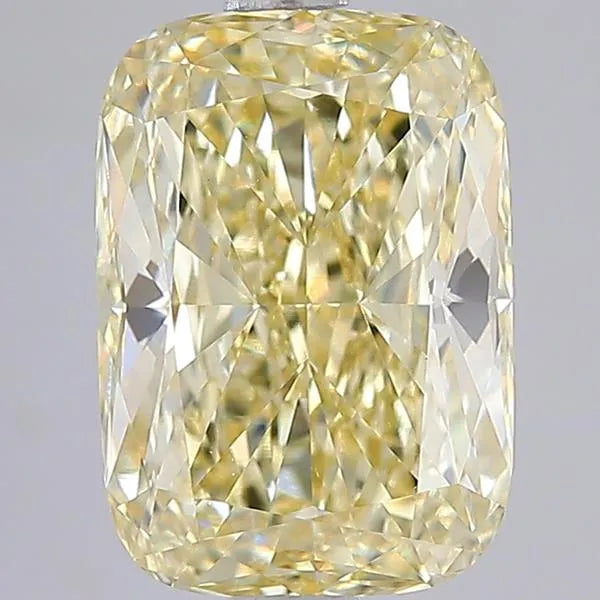
3.58ct Cushion modified Lab Grown Diamond (Colour Fancy Light Yellow, Clarity VVS2, IGI Certified)
£816.00
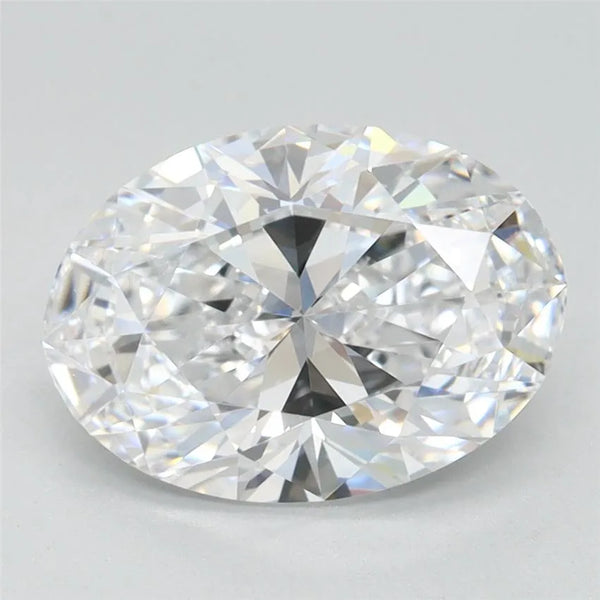
2.00ct Oval Lab Grown Diamond (Colour D, Clarity FL, IGI Certified)
£751.00
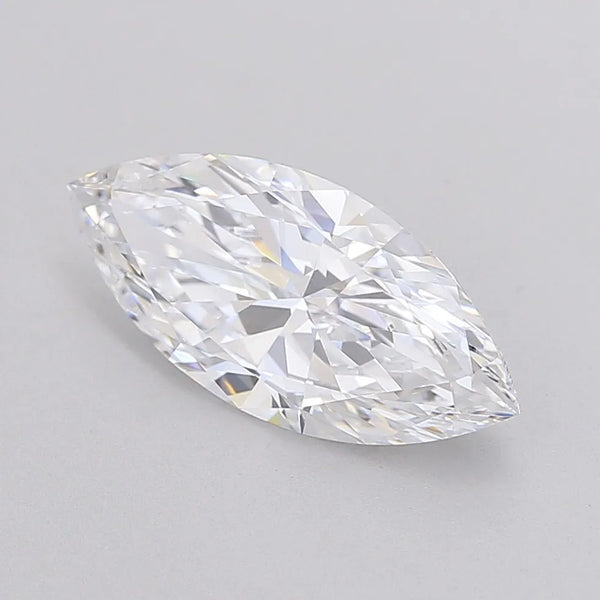
2.64ct Marquise Lab Grown Diamond (Colour D, Clarity IF, IGI Certified)
£1,855.00
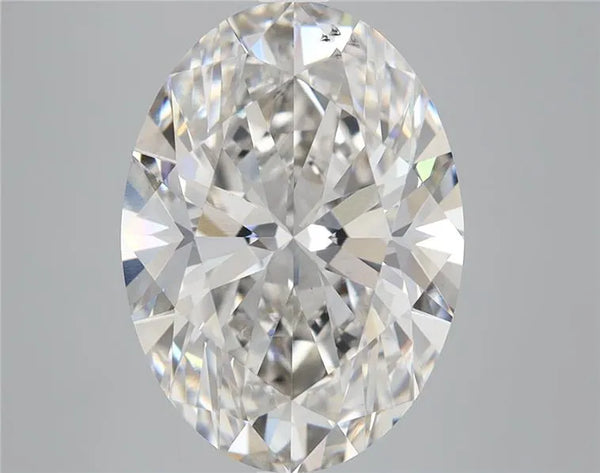
5.00ct Oval Lab Grown Diamond (Colour H, Clarity VS2, IGI Certified)
£637.00
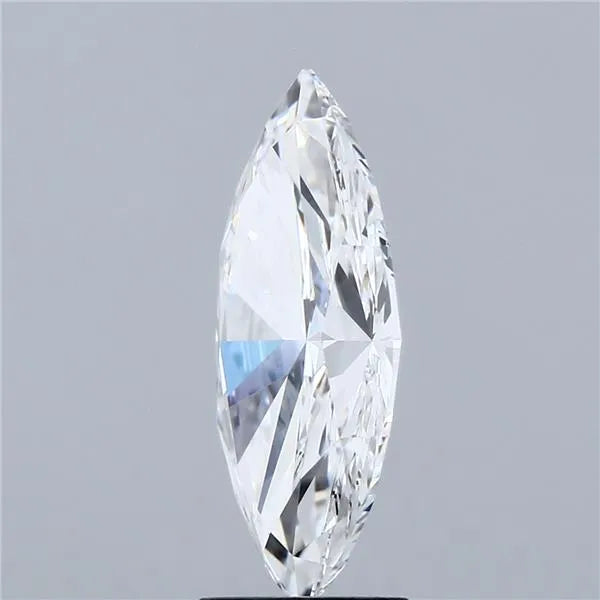
3.41ct Marquise Lab Grown Diamond (Colour D, Clarity VS1, IGI Certified)
£919.00
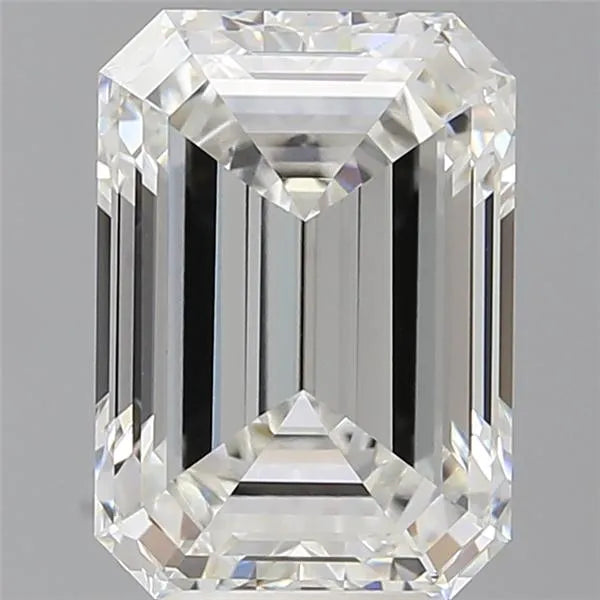
5.58ct Emerald Lab Grown Diamond (Colour F, Clarity VVS1, IGI Certified)
£895.00
At President Jewellers, every lab-grown diamond is hand-picked from a live catalogue of over 500,000 certified loose stones — every standard fancy shape, the full colour range from D through L, every clarity grade from Flawless through Included, in carat weights up to 30.00ct. Each stone ships with an independent report from IGI, GIA or HRD, a 360° video and macro photography so you can study the cut, brilliance and inclusions before you buy. Complimentary insured UK delivery in 5-7 working days. Free returns for up to 30 days — no questions, no exclusions, no restocking fee. Buy loose, or set into a ring our jewellers handcraft at our bench in Hatton Garden — the square mile that's been Britain's jewellery quarter since the 1800s.
Our lab-grown diamond inventory at a glance
The catalogue runs deeper than most UK jewellers, and the breadth of lab-grown stock is broader than the natural side because the production process can economically deliver sizes and clarities that natural mining cannot:
- Ten shapes — Round Brilliant, Princess, Cushion, Oval, Pear, Emerald, Heart, Radiant, Marquise and Square Emerald (the squared step-cut that gives geometric symmetry without rounded corners).
- Colour D to L — the entire colourless and near-colourless range, graded by GIA, IGI and HRD using the same methodology applied to natural diamonds. Lab-grown stones routinely hit the top of the scale: D, E and F colour are widely available at carat weights where natural equivalents are scarce.
- Clarity FL to I — Flawless and Internally Flawless are common in lab-grown inventory, through VVS1, VVS2, VS1, VS2, SI1, SI2 to the included grades. Every stone shown with its plotted inclusions diagram on the certificate.
- Carat up to 30.00ct — significantly larger than the natural range. Most engagement and dress-ring centre stones sit between 1.00ct and 4.00ct, but the inventory supports statement pieces at sizes that natural-mined stones cannot economically reach.
For fancy coloured lab-grown diamonds — pinks, blues, yellows, salt-and-pepper, champagne — visit our fancy diamond hub, which mirrors the same inventory depth across seventeen colour categories in both natural and lab.
How a lab-grown diamond is made
A lab-grown diamond is pure crystallised carbon — chemically, optically and physically identical to a natural diamond. The difference is provenance. Where a natural diamond formed over a billion years beneath the Earth's mantle, a lab-grown diamond forms in a controlled reactor over a matter of weeks. Two production methods dominate:
High Pressure High Temperature (HPHT). A small natural diamond seed is placed in a press alongside a carbon source and a metal catalyst. The chamber recreates the conditions of the upper mantle — temperatures above 1,400°C and pressures exceeding 50 kilobars. Carbon atoms migrate from the source onto the seed crystal, layer by layer, until a rough lab-grown diamond emerges. This is the older method, originally developed for industrial diamond in the 1950s.
Chemical Vapour Deposition (CVD). A diamond seed sits inside a vacuum chamber. Hydrocarbon gas — usually methane — is introduced and heated to plasma. Carbon atoms break free from the gas and deposit onto the seed, atom by atom, growing the crystal upward. CVD is the more modern method and produces the cleanest type IIa diamonds, often higher in colour and clarity than naturally occurring stones.
What you're buying when you buy a lab-grown diamond is the same hardness, the same refractive index, the same fire and brilliance, the same independently graded certificate from GIA, IGI or HRD — at roughly 30 to 50 percent the price of an equivalent natural stone. The science is settled: lab and natural diamonds cannot be distinguished by eye, by loupe, or by hand-held tester. The difference is visible only under specialist phosphorescence equipment used by grading laboratories, which is why every lab-grown stone we sell carries an explicit "Laboratory-Grown" inscription on the certificate.
Every diamond comes with the same documentation
What's on the listing for any lab-grown diamond at President Jewellers:
- The full grading report from one of three independent gemmological laboratories — International Gemological Institute (IGI), Gemological Institute of America (GIA), or Hoge Raad voor Diamant (HRD, the Antwerp lab). Every report explicitly identifies the stone as laboratory-grown.
- 360° video — a high-resolution rotation of the stone so you can see how it catches light from every angle, not just the polished face-up view.
- Macro photography — extreme close-ups showing the table, the crown, any inclusions noted on the certificate, and the colour through the pavilion.
- Laser-inscribed certificate number on the girdle of each stone, traceable back to the original grading report.
This is the level of documentation jewellers used to reserve for stones over five carats. We extend it to every listing because buying a stone you can't see in person should feel as safe as walking into our Hatton Garden showroom and asking to see it under a loupe.
Choose by shape
Each shape page lists the live lab-grown inventory in that cut, with the same D–L colour, FL–I clarity and carat range up to 30.00ct:
- Round Brilliant Lab Grown Diamonds — the classic cut, maximum brightness, 57 or 58 facets.
- Oval Lab Grown Diamonds — elongated brilliant, flattering on the finger, excellent face-up size for carat.
- Emerald Cut Lab Grown Diamonds — step-cut, hall-of-mirrors clarity, demands a higher clarity grade.
- Cushion Lab Grown Diamonds — soft square with rounded corners, antique character.
- Princess Cut Lab Grown Diamonds — square brilliant, sharp corners, brilliant fire.
- Asscher Cut Lab Grown Diamonds — square step-cut, art-deco geometry.
- Radiant Cut Lab Grown Diamonds — rectangular brilliant, brilliance of a round with the silhouette of an emerald.
- Pear Lab Grown Diamonds — teardrop, mixed brilliant cut.
- Marquise Lab Grown Diamonds — elongated with pointed ends, dramatic finger coverage.
- Heart Lab Grown Diamonds — modified brilliant, often a sentimental commission.
- Square Emerald Lab Grown Diamonds — the squared step-cut, geometric symmetry without rounded corners.
What does a lab-grown diamond cost in the UK?
Lab-grown prices have come down significantly over the last five years as production capacity has grown. Roughly indicative bands for a UK buyer at typical engagement-ring spec — round brilliant, eye-clean clarity, near-colourless:
- 0.50ct — from around £400 to £900, depending on colour, clarity and cut grade.
- 1.00ct — typically £1,400 to £3,000 for a well-graded stone. A D-colour, VS1, ideal-cut round will sit at the top of the band; a G or H colour at VS2 with very good cut sits near the bottom — both visually excellent.
- 2.00ct — typically £3,500 to £7,500.
- 3.00ct and above — from around £6,000 upward, with significant variation based on shape and grade.
- 5.00ct+ statement stones — pricing depends heavily on colour and clarity, but lab-grown opens up territory that natural mining can rarely reach economically at any size.
For comparison, an equivalent natural 1.00ct round brilliant at the same grades typically sits between £4,000 and £8,000 — roughly two to three times the lab equivalent. That's the price-per-carat lever lab-grown gives you: same scientific stone, same independent certificate, very different budget.
Every stone on this page lists its exact price live. Use the widget filters to refine by carat, colour and clarity until you find the combination that fits your budget. Shaped diamonds (oval, pear, emerald, cushion) tend to sit slightly below round brilliants at the same carat weight — round commands a small premium because of the additional rough wasted in cutting.
Setting a loose lab-grown diamond into a President Jewellers ring
The diamonds on this page are sold loose. If you'd like one set into a ring, here's how that works.
Every ring in our setting catalogue is priced with a 1.0ct IGI-certified centre stone in the shape that matches the ring's variant — a round-solitaire setting is priced with a round 1.0ct, an oval halo with an oval 1.0ct, and so on. Accents (side stones, pavé, halo melee) are included in that base price.
You can swap that default 1.0ct centre for any diamond from this page — a larger carat, a different shape, a higher clarity grade, or one of our fancy coloured lab-grown stones from the fancy diamond hub. The 1.0ct centre stone's value is refunded from the ring's base price, and the diamond you've chosen is added in. No mark-up on the swap, no setup fee, no catch.
The ring itself is then handcrafted to order. Our process:
- CAD design — a 3D render of your ring with your chosen centre stone, sent for approval before any metal is touched.
- Wax or silver sample — a one-to-one model of the finished ring, posted to you (or available to try at the Hatton Garden showroom) so you can feel the proportions before we cast.
- Cast and set in your chosen metal — 18ct yellow, white or rose gold; 950 platinum; or 9ct and 14ct gold on selected variants. Stone set, polished, finished.
- Hallmarked at the London Assay Office — Britain's oldest assay office, established 1300. Hallmarks confirm metal purity and origin to UK consumer-protection standards.
- Insured UK delivery — typically 7-14 working days from order confirmation. Simple solitaires sit at the shorter end; intricate pavé or bespoke pieces at the longer end.
Every ring includes complimentary engraving on the inner band — initials, date, a private inscription — and free lifetime resizing. If your finger size changes ten years from now, the resize is on us.
Returns, assurance and payment
Loose lab-grown diamonds: the stone itself is fully returnable within 30 days of delivery — no questions, no exclusions, no restocking fee, and return shipping is free. If the stone in person isn't the stone you saw on screen, send it back and we refund to the original payment method. Loose-stone delivery is 5-7 working days, complimentary, insured.
Rings: 30-day returns on standard inventory. Custom and bespoke pieces (which is most of our ring orders, since every ring is CAD-designed for the buyer) are excluded from the 30-day window — but every ring carries a lifetime warranty against manufacturing defects.
Payment: we accept all major cards, PayPal, Apple Pay and Google Pay. PayPal Pay in 3 is available on orders £20–£3,000: pay one third today, the next two thirds spread across the following two months, no interest, no credit check.
UK delivery is complimentary and insured throughout. International delivery is available on request.
Lab-grown or natural?
Both lab-grown and natural diamonds are graded to the same 4Cs by the same labs (GIA, IGI, HRD), and are optically and chemically identical at the atomic level. The choice usually comes down to two factors:
- Price per carat. Lab-grown diamonds sit at roughly 30–50% the price of an equivalent natural stone, which means a buyer can step up two or three grades — or two carats — at the same budget. If size or spec matters more than provenance, lab tends to win.
- Long-term value. Natural diamonds have a deeper secondary market and tend to hold their value over decades. Lab-grown stones don't yet have that same resale infrastructure, though the picture is changing as lab-grown becomes mainstream.
We sell both, certified to the same standards, with the same documentation, the same return policy, and the same setting service. If natural is the right answer for you, browse our natural diamond hub.
Frequently asked questions
Are lab-grown diamonds real diamonds?
Yes. A lab-grown diamond is crystallised carbon with the same cubic crystal structure, the same hardness (10 on the Mohs scale), the same refractive index, the same thermal conductivity, and the same chemical composition as a natural diamond. By every scientific definition, it is a real diamond — the Federal Trade Commission in the US and the UK Advertising Standards Authority both confirm this. The only difference is provenance: lab-grown forms in a controlled reactor over weeks, natural forms in the Earth's mantle over a billion years. Both are independently graded by GIA, IGI and HRD using identical methodology.
Are lab-grown diamonds worth anything?
Yes — for what they are, which is a finished consumer purchase rather than a long-term resale asset. Lab-grown diamonds hold present-day value as certified stones with full grading documentation, and the secondary market for them is growing as the category matures. They typically do not retain the long-term resale value of certified natural diamonds, which have a century-old auction and dealer infrastructure. If you're buying for daily wear, sentiment or to maximise size and quality at a given budget, lab-grown delivers significantly more diamond per pound spent. If you're buying with long-term resale in mind, natural is the safer asset.
How are lab-grown diamonds made?
Two methods. HPHT (High Pressure High Temperature) recreates the conditions of the Earth's upper mantle inside a sealed press — temperatures above 1,400°C and pressures over 50 kilobars — so carbon migrates onto a small diamond seed. CVD (Chemical Vapour Deposition) uses a vacuum chamber, methane plasma, and atomic deposition to grow the crystal upward, atom by atom, on a seed. Both methods produce real diamonds chemically identical to mined stones. CVD is currently the more common method for gem-quality lab-grown production and typically yields the cleanest type IIa stones.
Can a jeweller tell the difference between lab-grown and natural?
Not by eye, not by loupe, not by hand-held tester. The difference is visible only under specialist phosphorescence and spectroscopy equipment used by grading laboratories — which is exactly why every certified lab-grown stone carries an explicit "Laboratory-Grown" inscription on its certificate and a laser inscription on its girdle. This protects you and any future buyer: a certified lab-grown diamond can always be identified as such by the documentation, never by the stone itself.
What does the D-to-L colour grade mean?
D, E, F are colourless. G, H, I, J are near-colourless — to the naked eye, indistinguishable from D once the diamond is set, especially in white or rose gold. K, L are faint yellow, increasingly visible without magnification but often a good choice in yellow gold settings where warmth complements the metal. Lab-grown stones are very widely available at D, E and F because CVD production naturally yields high-colour type IIa stones. We list every stone with its certificate-graded colour and a high-resolution video so you can judge the colour yourself.
What does FL-to-I clarity mean?
FL (Flawless) and IF (Internally Flawless) have no inclusions visible at 10x magnification. VVS1, VVS2 are very, very slightly included. VS1, VS2 are very slightly included. SI1, SI2 are slightly included, and inclusions may be visible to the naked eye in larger stones. I1, I2, I3 are included grades. For most engagement-ring centre stones we recommend VS2 or above; for a budget-stretching choice, a well-positioned SI1 can be "eye-clean" — looks flawless to the naked eye — at a meaningfully lower price.
Can I see the diamond before I commit?
Yes, in three ways. (1) Every listing has a 360° video and macro photography. (2) You can book a private viewing at our Hatton Garden showroom and we'll bring the stone in for you to see in person under daylight, store lighting and loupe magnification. (3) If you buy and it arrives differently to how you expected, you have 30 days to return it, no questions.
Why are lab-grown diamonds cheaper than natural?
Because the production cost is lower and the supply chain is shorter. A natural diamond carries the cost of mine extraction, sorting, rough trading, cutting, polishing and multiple wholesale layers — built up over years. A lab-grown diamond is produced to spec in weeks, sorted at source, and reaches the cutter directly. The end result is the same finished stone with the same grading report, at roughly 30–50% of the per-carat price of a natural equivalent. That's why lab-grown is the typical answer when a buyer's priority is maximising size or clarity at a given budget.
How much is a 1 carat lab-grown diamond in the UK?
At President Jewellers, a well-graded 1.00ct lab-grown diamond — near-colourless (G-H), eye-clean clarity (VS1-VS2), very good or excellent cut — typically sits between £1,400 and £3,000 loose. D-colour, VS1, ideal-cut rounds sit at the top of that band. Shaped diamonds (oval, pear, emerald) tend to come in slightly lower than rounds at the same grades. For a precise per-stone price, every loose diamond on this page has its live price next to the certificate.
Are lab-grown diamonds worth buying?
Yes, for the right buyer. A lab-grown diamond is chemically and optically identical to a natural one — the same hardness, the same brilliance, the same independent GIA, IGI or HRD certification. The trade-offs are price (lab is 30-50% the cost of an equivalent natural) and long-term resale value (natural diamonds have a deeper secondary market). If you want maximum size, clarity or colour at a given budget — or want a fancy colour that would be unaffordable in natural — lab is the right answer. If long-term resale or provenance matters more than spec-per-pound, natural is the right answer. Both are real diamonds; the choice is about what you're optimising for.
What are the downsides of lab-grown diamonds?
Three honest ones. Resale value is the main one — lab-grown doesn't yet have the same auction infrastructure that natural diamonds have, so secondary-market prices remain lower. Long-term price trajectory is uncertain — as production scales, per-carat lab prices have come down over the last five years and may continue to. Provenance sentiment — for some buyers, the appeal of a natural diamond is the billion-year geological origin, which a lab-grown stone doesn't share. None of these affect the physical properties of the stone, the certificate, or the visual appearance — they're factors that matter only depending on your priorities.
How long does it take to get a ring made?
Typically 7-14 working days from when you confirm the CAD design. Simple solitaires move faster; pavé, halos and intricate settings sit at the longer end. We'll give you a specific date when we confirm your order. Loose diamonds (without a setting) ship within 5-7 working days.
Can I return a loose lab-grown diamond?
Yes — the stone itself is fully returnable within 30 days of delivery. No questions, no exclusions, no restocking fee, and we cover the return shipping. Refund goes back to the original payment method. Once a diamond is set into a ring, the ring becomes a bespoke piece and the 30-day return window no longer applies (lifetime warranty does).
Is there a deposit or finance option?
No deposit needed — full payment is taken at order confirmation. For BNPL, PayPal Pay in 3 splits your order across three monthly payments (first today, then one each month for the next two months) on orders between £20 and £3,000. No interest, no credit check.
Loose & certified
Looking to pair it with a ring?
Every diamond on this page is loose — buy it on its own, set it into a ring of your own design, or pair it with one of our settings. Open any stone, click Set in a ring, and we’ll take you to your engagement, eternity or wedding band options.
Already have a setting in mind? Tap the menu icon and choose Engagement Rings › Ring Builder.