Pink Lab Grown Fancy Diamonds
What is a pink lab grown fancy diamond?
A pink lab grown fancy diamond is a real diamond — chemically, optically, and physically identical to a mined pink diamond — grown above ground using either high-pressure high-temperature (HPHT) or chemical vapour deposition (CVD) processes. The pink colour arises primarily through post-growth treatment, typically irradiation combined with annealing, which modifies the crystal lattice in the same way geological pressure and heat do over millions of years in natural pink diamonds. The result is a stone that sits on the GIA, HRD, or IGI fancy-colour grading scale — from Faint Pink through to Fancy Vivid Pink — indistinguishable from a natural pink diamond without specialist laboratory equipment. Lab grown origin is disclosed on the grading certificate and laser-inscribed on the girdle, so provenance is always transparent.
How does the colour grading of pink lab grown diamonds work?
Pink lab grown fancy diamonds are graded on the same intensity scale applied to all fancy-colour diamonds: Faint, Very Light, Light, Fancy Light, Fancy, Fancy Intense, Fancy Deep, and Fancy Vivid. The grading certificate from GIA, HRD, or IGI will also note the secondary hue — a pink diamond described as Fancy Intense Pink with a purplish modifier, for example, sits in a distinctly different market position than a pure Fancy Intense Pink. For pink lab grown diamonds, Fancy and above grades are readily achievable compared to natural pink diamonds, where Fancy Vivid stones are extraordinarily rare. This means lab grown origin genuinely shifts the price-to-intensity relationship in favour of the buyer: a richer, more saturated pink colour is accessible at a fraction of the cost of a comparable natural stone. When comparing stones, always cross-reference the certificate's colour description and the accompanying photograph — the terminology alone does not capture subtle hue differences.
What does a pink lab grown diamond cost in the UK?
Pink lab grown fancy diamonds are priced considerably below natural pink diamonds of equivalent colour intensity and carat weight, though they command a premium over colourless lab grown stones of the same size. The price is driven primarily by colour grade — Fancy Vivid Pink stones attract the highest per-carat rates — followed by carat weight, cut quality, and whether the stone carries secondary hues such as purplish-pink or orangey-pink. Bridebook's 2026 UK average engagement ring spend of £2,247 provides a useful reference point: a well-proportioned pink lab grown diamond in the 0.5ct to 0.75ct range with a Fancy or Fancy Intense grade can sit comfortably within or close to that budget, whereas a comparable natural pink stone of the same intensity would typically cost many times more. Stones below 0.3ct in lighter grades represent the most accessible entry point.
What setting and metal best complement a pink lab grown fancy diamond?
The metal choice for a pink lab grown fancy diamond meaningfully affects how the colour reads to the eye. Rose gold — available in 9ct, 14ct, and 18ct — draws out warm, coral-tinged pink hues and tends to flatter Fancy Light or Fancy grades where the colour needs amplification. Platinum or white gold, by contrast, provides a cool neutral backdrop that allows the true pink saturation to register without interference, making it the preferred choice for Fancy Intense and Fancy Vivid stones where the colour speaks for itself. Yellow gold in 9ct, 14ct, or 18ct tends to introduce warmth that can shift a pure pink toward an orangey-pink appearance — worth considering before committing. In terms of setting style, a four-claw or six-claw solitaire preserves maximum light entry into the stone, while a halo of small colourless diamonds provides contrast that can make a lighter pink appear more saturated. Bezel settings offer strong protection for daily wear but restrict light entry, which can slightly subdue colour in lighter grades.
Are pink lab grown fancy diamonds a sound alternative to natural pink diamonds?
Pink lab grown fancy diamonds and natural pink diamonds serve different priorities, and neither is categorically superior. Natural pink diamonds — historically associated with the Argyle mine in Western Australia, which closed in 2020 — carry geological rarity and a long-term resale market driven by scarcity. Lab grown pink diamonds, by contrast, offer access to higher colour intensity at a lower per-carat cost, with no compromise on hardness (rated 10 on the Mohs scale), brilliance, or durability. Both types are certified to the same GIA, HRD, or IGI standards, and both are equally suited to daily wear. The practical consideration is budget and purpose: if long-term resale value is a priority, natural origin may be preferred; if the objective is a richer pink colour at a given budget, lab grown origin often delivers a more impressive stone for the same spend. President Jewellers holds a neutral position — both are available, and both carry the same quality guarantees.
Frequently asked questions
Where can I buy a pink lab grown diamond in the UK?
Pink lab grown fancy diamonds are available at President Jewellers, with each stone certified by GIA, HRD, or IGI. Stones can be purchased loose or set into a ring crafted in our Hatton Garden workshop. Complimentary insured UK delivery is included, and all loose stone purchases carry a 30-day return window with no questions asked and no exclusions.
Is a pink lab grown diamond a real diamond?
Yes. A pink lab grown diamond is chemically and physically identical to a mined diamond — pure carbon in a cubic crystal structure, rated 10 on the Mohs hardness scale. The only difference is origin. Lab grown stones are produced in controlled facilities rather than extracted from the earth, and the pink colour is developed through the same irradiation and annealing processes used to treat natural pink diamonds.
What colour grades are available for pink lab grown diamonds?
Pink lab grown fancy diamonds are graded on the standard fancy-colour intensity scale: Faint Pink through to Fancy Vivid Pink, with Fancy Intense and Fancy Vivid being the most saturated and most sought-after grades. Secondary hues — purplish, orangey, or brownish — are also noted on the certificate and affect both appearance and price. Higher intensity grades are more accessible in lab grown origin than in natural pink diamonds.
How long does it take to have a pink lab grown diamond set into a ring?
Once a pink lab grown diamond is selected, the ring is crafted in our Hatton Garden workshop with a lead time of 7 to 14 working days from order confirmation. A CAD design is prepared first, followed by a silver or wax sample for try-on approval. The finished ring is hallmarked at the London Assay Office before insured UK delivery.
Do pink lab grown diamonds hold their value?
Lab grown diamonds, including pink fancy colour stones, currently trade at a discount to natural diamonds on the secondary market. If resale value is a primary consideration, natural pink diamonds — particularly those with documented Argyle provenance — tend to hold value more consistently due to geological scarcity. For buyers prioritising colour intensity and size at a given budget rather than long-term resale, lab grown pink diamonds represent a practical and well-certified choice.
How much does a pink lab grown diamond cost in the UK?
Pink lab grown diamond pricing in the UK depends on colour intensity, carat weight and secondary hue. As a working reference: a 1ct round Fancy Intense Pink lab grown commonly sits in the £1,000 to £2,500 range with GIA, IGI or HRD certification, while equivalent natural pink stones at Fancy Intense grade frequently command upward of £25,000 per carat. Fancy Vivid Pink lab grown stones add a premium over Fancy Intense; secondary hue modifiers (purplish, brownish, orangey) lower price relative to a pure pink at the same intensity grade. The savings versus natural pink are most pronounced at higher intensity grades and larger carats.
How does a pink lab grown diamond compare to a natural pink diamond?
A pink lab grown diamond is chemically and physically identical to a natural pink diamond — both are pure carbon graded against the same fancy-colour scale by GIA, HRD or IGI. The differences are origin, rarity, and price. Natural pink diamonds owe their colour to a geological process called plastic deformation that is genuinely uncommon; the Argyle mine in Western Australia, which historically produced over 90 per cent of global supply, closed permanently in 2020. Pink lab grown diamonds are produced in HPHT or CVD facilities and treated through irradiation and annealing to develop colour, allowing Fancy Intense and Fancy Vivid grades to be available at materially lower prices and without supply constraints. Both options are stocked at President Jewellers; the right choice depends on whether geological rarity and provenance matter more than colour intensity per budget.
Featured pink lab grown fancy diamonds
Hand-selected pieces from the President Jewellers catalogue
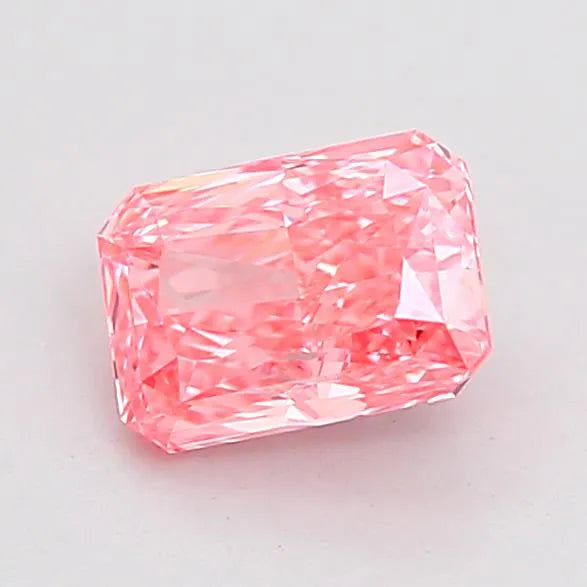
1.03ct Radiant Lab Grown Diamond (Colour Fancy Vivid Pink, Clarity VVS1, IGI Certified)
£333.00
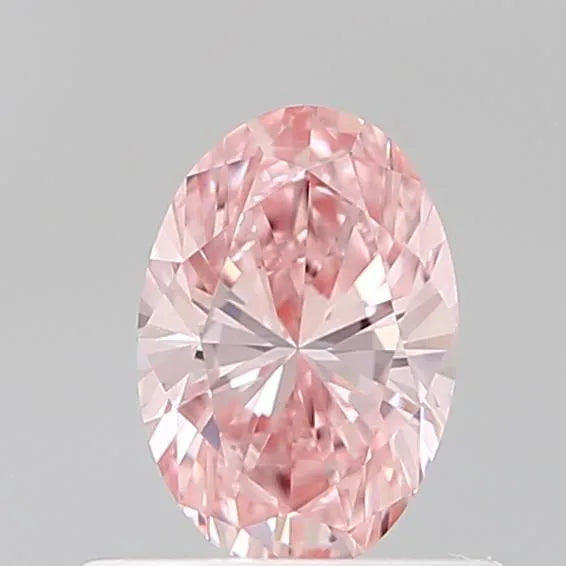
0.58ct Oval Lab Grown Diamond (Colour Fancy Vivid Pink, Clarity VS1, IGI Certified)
£161.00
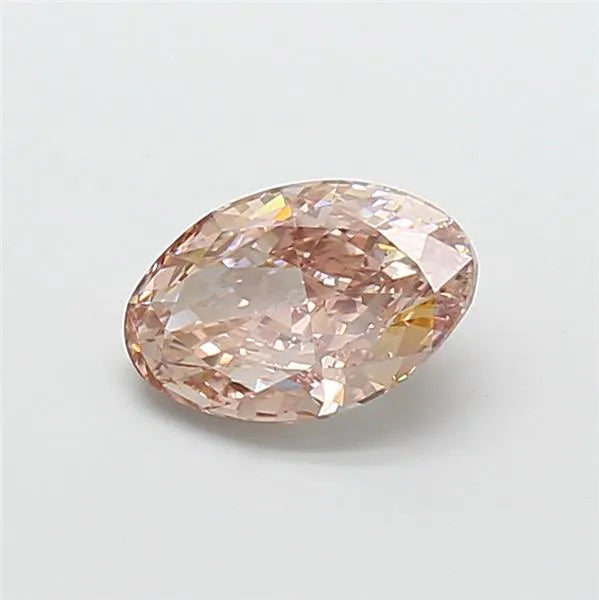
2.00ct Oval Lab Grown Diamond (Colour Fancy Light Pink Brown, Clarity VS1, IGI Certified)
£751.00
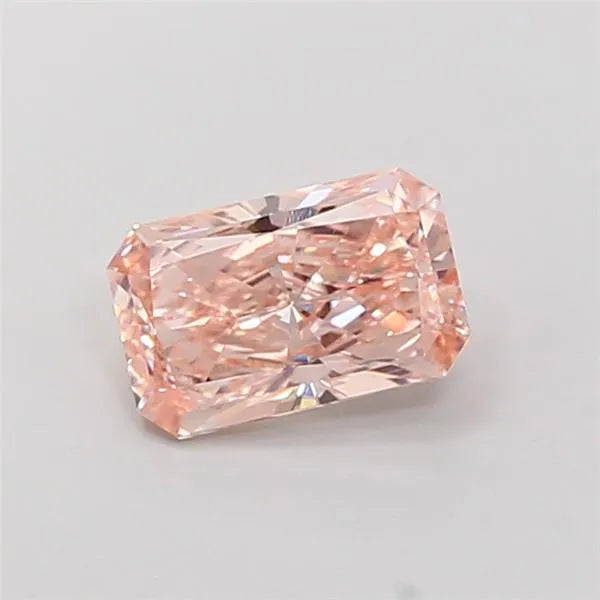
1.52ct Radiant Lab Grown Diamond (Colour Fancy Pink Brown, Clarity VVS2, Cut ID, IGI Certified)
£280.00
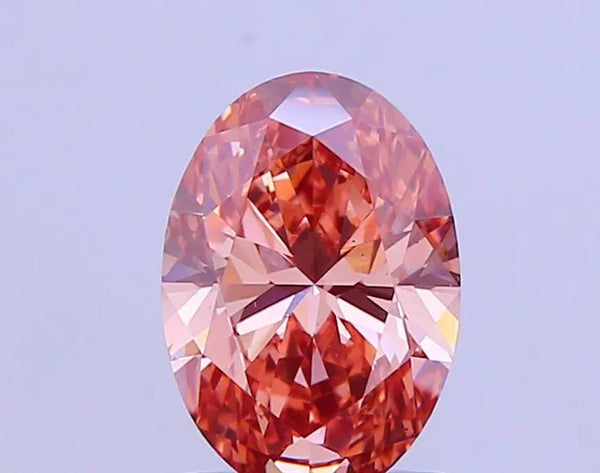
1.52ct Oval Lab Grown Diamond (Colour Fancy Pink Brown, Clarity VS1, IGI Certified)
£305.00
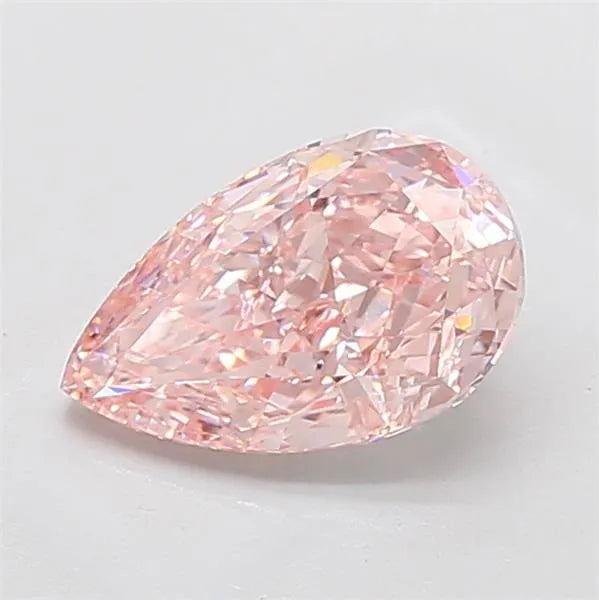
3.10ct Pear Lab Grown Diamond (Colour Fancy Intense Pink, Clarity VVS2, IGI Certified)
£928.00
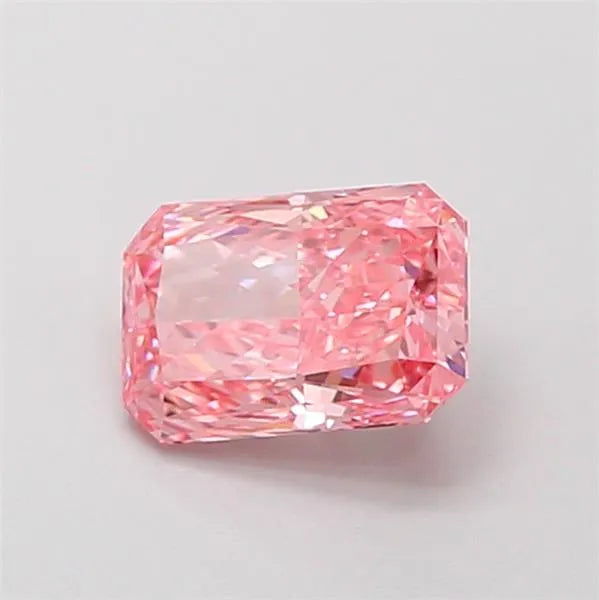
1.06ct Radiant Lab Grown Diamond (Colour Fancy Vivid Pink, Clarity VVS1, IGI Certified)
£274.00
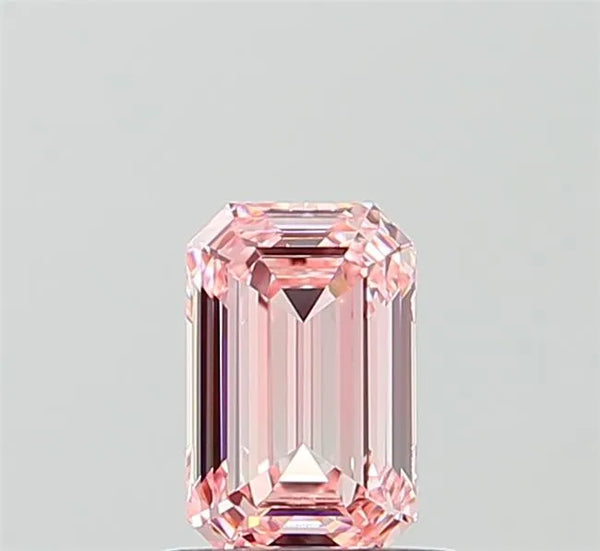
0.97ct Emerald Lab Grown Diamond (Colour Fancy Intense Pink, Clarity VVS1, IGI Certified)
£278.00

5.27ct Cushion modified Lab Grown Diamond (Colour Fancy Vivid Pink, Clarity SI1, IGI Certified)
£757.00

1.55ct Cushion modified Lab Grown Diamond (Colour Fancy Vivid Pink, Clarity VS1, IGI Certified)
£308.00
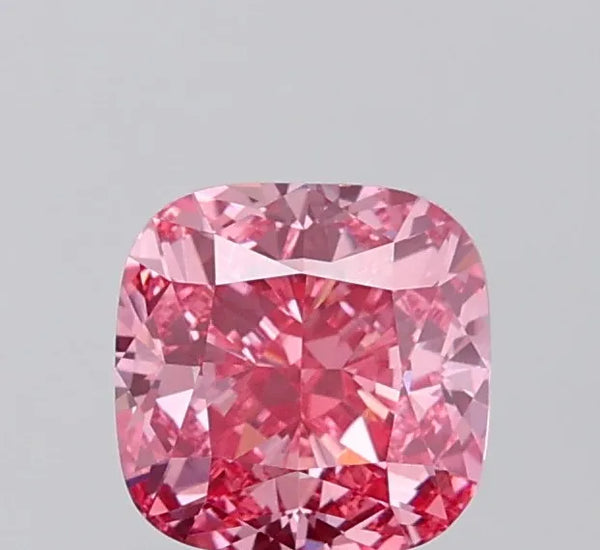
1.50ct Cushion modified Lab Grown Diamond (Colour Fancy Vivid Pink, Clarity VVS2, IGI Certified)
£297.00
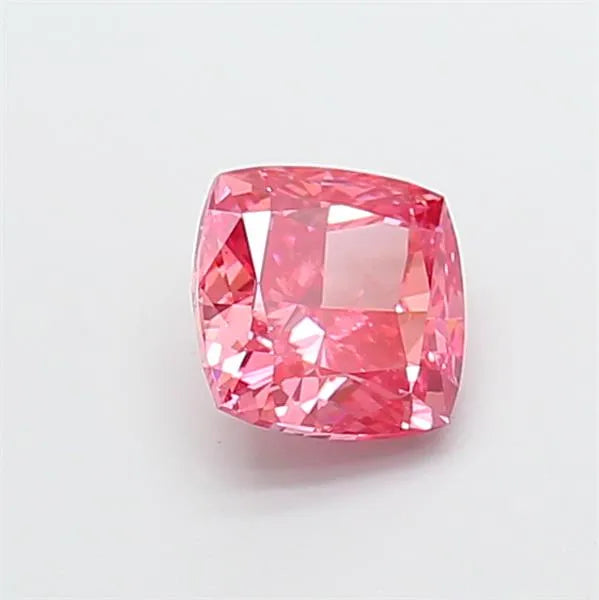
1.52ct Cushion modified Lab Grown Diamond (Colour Fancy Vivid Pink, Clarity VS2, IGI Certified)
£286.00
Loose & certified
Looking to pair it with a ring?
Every diamond on this page is loose — buy it on its own, set it into a ring of your own design, or pair it with one of our settings. Open any stone, click Set in a ring, and we’ll take you to your engagement, eternity or wedding band options.
Already have a setting in mind? Tap the menu icon and choose Engagement Rings › Ring Builder.