-
Engagement ringsWedding ringsEternity ringsDiamondsGemstones
Purple Lab Grown Fancy Diamonds
What makes a purple lab grown diamond different from other fancy colours?
Purple lab grown diamonds are among the rarest fancy colour expressions produced in a controlled growth environment. The violet-to-purple range is caused by the presence of hydrogen during crystal formation — the same mechanism responsible for natural purple diamonds, replicated in laboratory conditions using CVD or HPHT processes. Unlike yellow or blue lab grown fancy diamonds, which are produced in greater commercial volume, purple sits at the lower-frequency end of the visible spectrum and requires precise atmospheric control to achieve consistent saturation. Stones are graded using the same GIA, HRD or IGI colour-grading scale applied to natural fancy diamonds, with descriptors ranging from Fancy Light Purple through to Fancy Deep or Fancy Vivid. Stronger saturation commands a higher per-carat price even in lab grown form.
How to choose a setting and metal for a purple lab grown diamond
The right setting draws out purple's cooler, violet undertones without competing with them. Rose gold in 9ct, 14ct or 18ct adds warmth that contrasts the stone's blue-violet character, creating a complementary rather than matching effect. White gold and platinum provide a neutral frame that allows the purple lab grown diamond's colour to read clearly without interference. Yellow gold can work well with deeper, warmer purple specimens but can push lighter stones toward grey. For setting style, a bezel or low four-claw solitaire keeps the colour as the focus, while a halo of colourless lab grown melee adds visual weight without introducing competing hues. Oval and cushion shapes tend to retain body colour more visibly than brilliant-cut rounds at equivalent carat weights.
What does a purple lab grown diamond cost in the UK?
Purple lab grown fancy diamonds are priced significantly below their natural equivalents while delivering equivalent certified colour grades. Cost is driven by three variables: colour grade (Fancy Vivid commands a meaningful premium over Fancy Light), carat weight, and cut quality — with well-proportioned stones carrying better light performance and therefore higher values. Lab grown fancy coloured diamonds in purple occupy a small production segment, so they do not follow the broad price compression seen in colourless lab grown stones; rarity of the colour modifier keeps pricing firmer. For context, Bridebook's 2026 UK average engagement ring spend of £2,247 covers a mid-weight purple lab grown diamond with setting at the lighter saturation grades. Vivid and deeper specimens with strong clarity grades sit considerably higher.
Are purple lab grown fancy diamonds certified to the same standards as natural stones?
Every purple lab grown fancy diamond in our inventory is certified by GIA, HRD or IGI — the same three independent laboratories that grade natural fancy colour diamonds. The certificate records origin (laboratory grown), colour grade, clarity, cut grade where applicable, and carat weight. For fancy colour stones, the colour section of the report is particularly detailed, noting hue, tone and saturation descriptors that determine grade. When a purple lab grown diamond is set into one of our rings, the finished piece is then hallmarked at the London Assay Office, confirming metal purity. The stone's independent certificate travels with it from purchase through to setting.
Caring for a purple lab grown diamond
Purple lab grown diamonds share the physical properties of all diamonds — a Mohs hardness of 10, making them the hardest known material and fully suited to daily wear in any setting style. The colour in a lab grown purple diamond is structural, locked into the crystal lattice during growth; it does not fade, alter or require treatment maintenance. Routine care is straightforward: a soft brush with mild soap and warm water removes oils and surface deposits. Ultrasonic cleaners are safe for most purple lab grown diamond settings, though stones set in pavé or micro-claw arrangements should be checked by a jeweller periodically. Our rings carry a lifetime warranty covering setting integrity.
Frequently asked questions
Can I buy a purple lab grown diamond in the UK?
Purple lab grown fancy diamonds are available to buy loose or set into a ring. Each stone is certified by GIA, HRD or IGI and ships with complimentary insured UK delivery. Returns are accepted within 30 days, no questions asked, with no exclusions on loose stone purchases.
What causes the purple colour in a lab grown diamond?
The purple hue in lab grown diamonds is associated with hydrogen incorporation during the growth process, whether CVD or HPHT. Hydrogen interacts with the crystal lattice to produce violet-to-purple absorption. The same mechanism occurs in rare natural purple diamonds; laboratory conditions allow the effect to be reproduced with greater consistency than nature typically provides.
Are purple lab grown diamonds real diamonds?
Yes. Purple lab grown diamonds are chemically and physically identical to natural diamonds — pure carbon in a cubic crystal structure with a Mohs hardness of 10. They are certified by independent laboratories including GIA, HRD and IGI, which record both their diamond status and their laboratory-grown origin on the grading report.
How does purple lab grown diamond pricing compare to natural purple diamonds?
Purple lab grown fancy diamonds are priced materially below natural purple diamonds of comparable colour grade and carat weight. Natural purple diamonds are among the rarest in the fancy colour spectrum, commanding significant premiums. Lab grown versions offer the same certified colour grades at more accessible prices, though Fancy Vivid purple lab grown stones still sit at a premium within the lab grown range due to limited production volume.
How long does it take to set a purple lab grown diamond into a ring?
Once a loose purple lab grown diamond is selected, the ring is crafted to order at our Hatton Garden workshop. The process runs from consultation through CAD design, a silver or wax sample for review, casting, setting and finishing to London Assay Office hallmarking. Lead time is 7-14 working days from order confirmation, depending on setting complexity.
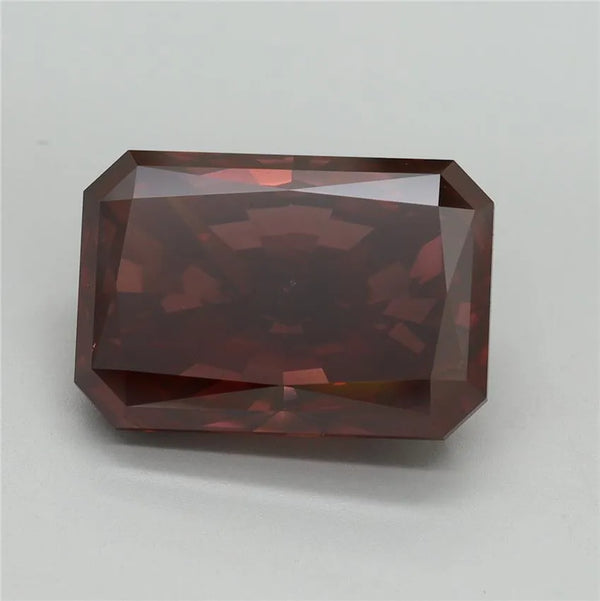
Featured purple lab grown fancy diamonds
Hand-selected pieces from the President Jewellers catalogue
You might also like
Related collections and pages from President Jewellers
Loose & certified
Looking to pair it with a ring?
Every diamond on this page is loose — buy it on its own, set it into a ring of your own design, or pair it with one of our settings. Open any stone, click Set in a ring, and we’ll take you to your engagement, eternity or wedding band options.
Already have a setting in mind? Tap the menu icon and choose Engagement Rings › Ring Builder.
What our customers say
From your first question to your finished ring — our Hatton Garden specialists are here throughout. Crafted for your forever.
From your first question to your finished ring — our Hatton Garden specialists are here throughout. Crafted for your forever.