Round Natural Diamonds
What defines a round natural diamond?
A round natural diamond is a mined diamond cut to the modern round brilliant specification — 57 or 58 facets arranged for maximum light return, judged on cut grade, colour, clarity and carat by an independent laboratory. The round brilliant was refined through the early twentieth century to optimise the way light enters the crown, reflects off the pavilion facets and exits back through the table. Because the geometry is so well understood, round natural diamonds carry the tightest cut grading of any shape, with Excellent and Ideal cuts holding consistent face-up brilliance. Natural origin means the stone formed in the earth's mantle over geological time, then travelled to the surface — every round natural diamond we list arrives with a GIA, HRD or IGI report confirming origin and the four Cs.
How to choose a round natural diamond
Start with cut grade — for a round natural diamond, cut governs brilliance more than any other factor, so prioritise Excellent or Ideal before adjusting colour and clarity. Round brilliants hide inclusions well thanks to dense faceting, which means VS2 or SI1 clarity often faces up clean to the eye, freeing budget toward carat or a higher colour grade. For colour, G to I sits in the near-colourless range and pairs well with white metals; J and K warm slightly and suit yellow or rose gold. Carat preference is personal, but be aware that round diamonds appear marginally smaller face-up than elongated shapes of the same weight — a 1.00ct round measures around 6.5mm across. Check the certificate's polish, symmetry and fluorescence notes before committing.
What does a round natural diamond cost in the UK?
Price for a round natural diamond is driven by the four Cs together with the laboratory grading the stone, with cut grade and carat weight producing the steepest jumps. Round brilliants command a modest premium over fancy shapes of equivalent specification because demand is highest and rough-to-polished yield is lower — a round cut wastes more of the original rough than an oval or cushion of the same finished weight. Half-carat milestones (0.5ct, 1.0ct, 1.5ct, 2.0ct) carry visible price steps, so a 0.9ct stone often offers better value than a 1.0ct of equal grade. For context, Bridebook's 2026 UK average engagement ring spend is £2,247, which covers a well-cut round natural diamond in the 0.3ct to 0.5ct range with a quality setting, or a larger stone at lower colour and clarity grades.
Buying loose versus setting a round natural diamond into a ring
Every round natural diamond on this page can be bought loose and shipped with its certificate, or set into one of our rings as the centre stone. Loose purchases are covered by 30 days, no questions, no exclusions, with complimentary insured UK delivery — useful if a stone is intended as a gift, an heirloom piece, or to be set later. When set into one of our rings, the design moves through CAD, a silver or wax sample for try-on at our Hatton Garden showroom, casting, setting, finishing and London Assay Office hallmarking, with a typical lead time of 7 to 14 working days depending on complexity. Round brilliants suit almost any setting style — solitaire, halo, three-stone, pavé or bezel — making them the most flexible starting point for a bespoke commission.
Caring for a round natural diamond
Round natural diamonds rate 10 on the Mohs hardness scale and resist scratching from any other mineral, which is why they wear well across decades of daily use. The vulnerability lies in the girdle and the crown edges where a sharp knock can chip the stone, so avoid wearing during heavy lifting, climbing or contact sport. Clean at home in warm water with a drop of washing-up liquid and a soft toothbrush behind the pavilion — the underside collects skin oil and dulls brilliance faster than the table. Bring the ring to our workshop annually so we can check the setting claws, repolish the metal and ultrasonically clean the stone. Free resizing for life and a lifetime warranty are included with every ring.
Frequently asked questions
Where can I buy a round natural diamond in the UK?
Our round natural diamond inventory is available to browse and configure online, with every stone certified by GIA, HRD or IGI and shipped with its grading report. Loose stones carry 30 days no-questions returns and complimentary insured UK delivery. Try-on appointments for set rings are available at our Hatton Garden showroom.
Are round natural diamonds more expensive than lab-grown?
Yes, round natural diamonds carry a higher price per carat than lab-grown rounds of equivalent specification, reflecting the geological rarity and supply constraints of mined stones. Natural diamonds also tend to hold long-term resale value more reliably. Both are graded against the same standards by the same laboratories — the choice depends on whether resale or per-budget size matters more.
What cut grade should I look for in a round diamond?
Excellent or Ideal cut grades produce the brightest face-up brilliance in a round natural diamond, and the difference from Very Good is visible. Because round brilliants are graded more strictly on cut than any other shape, the laboratory report will show polish and symmetry separately — both should also read Excellent or Very Good for the stone to perform as expected.
How big does a 1ct round natural diamond look?
A 1.00ct round natural diamond of standard proportions measures roughly 6.5mm across the table. Round brilliants appear marginally smaller face-up than elongated shapes such as oval or marquise of the same weight, but the symmetry and concentrated light return make them read as brighter on the finger, which often compensates visually.
Can I set a loose round diamond into a bespoke ring?
Yes. Any loose round natural diamond bought from us can be set into one of our designs or a fully bespoke commission. The process moves through CAD, a silver or wax sample for try-on, casting, setting and London Assay Office hallmarking, with a typical lead time of 7 to 14 working days depending on the design complexity.
How much does a 1 carat round natural diamond cost in the UK?
A 1 carat round natural diamond in the UK is priced by the four Cs together. Cut grade and colour are the steepest price movers. A 1ct round at G colour, VS clarity and Excellent cut typically sits in the £4,000 to £6,500 range from a Hatton Garden specialist with GIA, IGI or HRD certification. Lower-spec stones — J colour, SI clarity — can be found in the £2,000 to £3,000 band. Premium D-F colour, VVS or Flawless clarity, Triple Excellent stones extend well above £8,000. Half-carat thresholds (0.9ct vs 1.0ct) carry visible price steps, so a 0.95ct stone often offers better value than a 1.0ct of equal grade.
What is the difference between a round natural and round lab grown diamond?
A round natural diamond formed in the earth's mantle over geological time; a round lab grown diamond was crystallised above ground in weeks using HPHT or CVD processes. The two are chemically, physically and optically identical — both are pure carbon, both rate 10 on the Mohs scale, and both are graded against the same four Cs by GIA, HRD and IGI. The practical differences are price (lab grown rounds cost 60-80% less per carat at comparable spec), origin disclosure on the certificate, and long-term resale value (natural rounds hold value more reliably).
Featured round natural diamonds
Hand-selected pieces from the President Jewellers catalogue
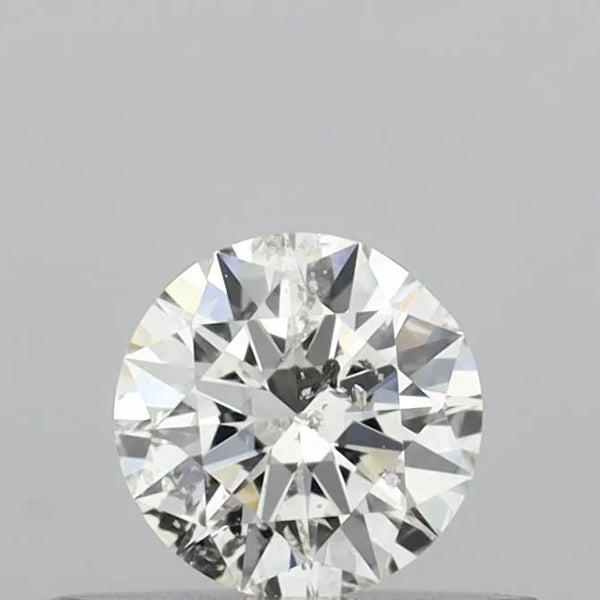
0.31ct Round Natural Diamond (Colour H, Clarity I1, Cut EX, IGI Certified)
£114.00
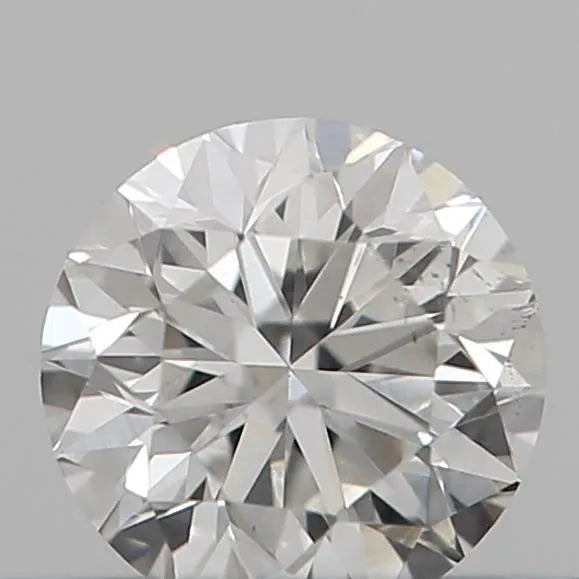
0.14ct Round Natural Diamond (Colour D, Clarity SI2, Cut VG, IGI Certified)
£107.00
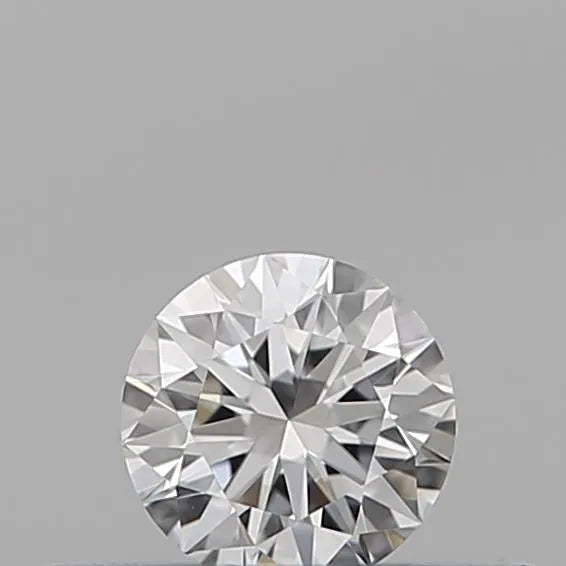
0.12ct Round Natural Diamond (Colour I, Clarity VVS1, Cut VG, IGI Certified)
£106.00
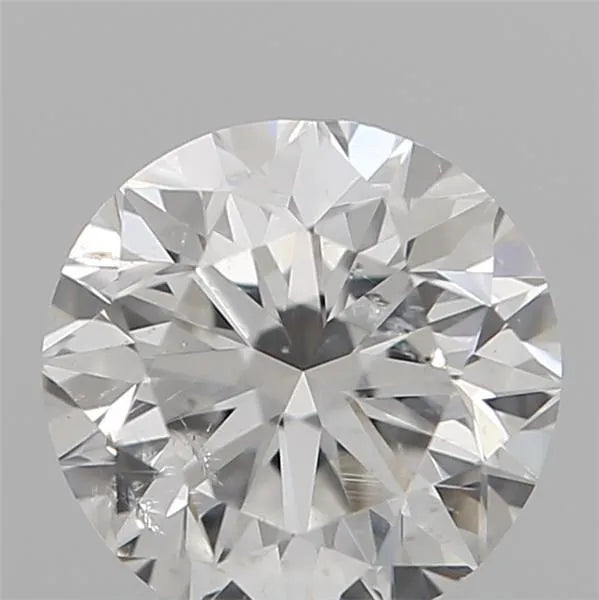
0.13ct Round Natural Diamond (Colour I, Clarity SI1, Cut VG, IGI Certified)
£93.00
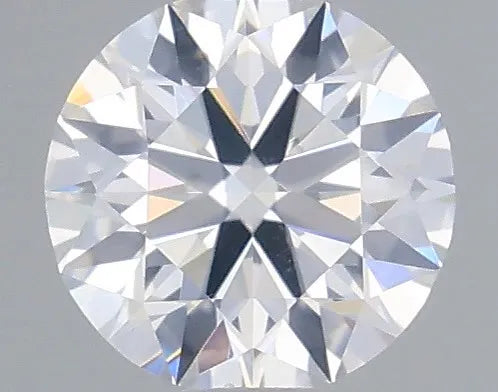
0.30ct Round Natural Diamond (Colour E, Clarity SI1, Cut EX, IGI Certified)
£254.00

0.21ct Round Natural Diamond (Colour J, Clarity SI2, Cut EX, GIA Certified)
£172.00
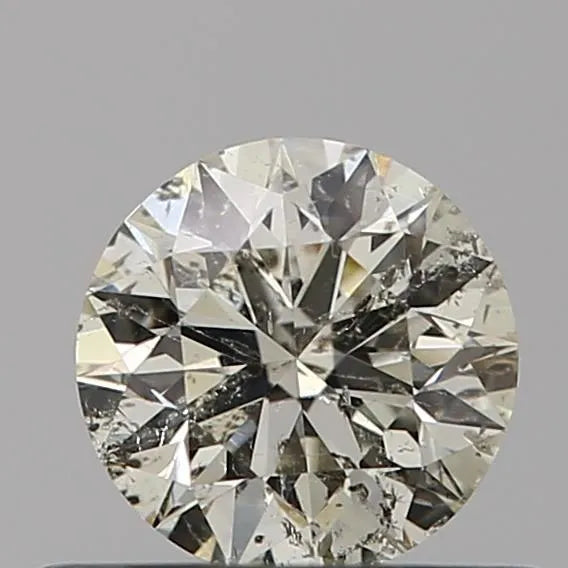
0.40ct Round Natural Diamond (Colour K, Clarity I1, Cut EX, GIA Certified)
£193.00
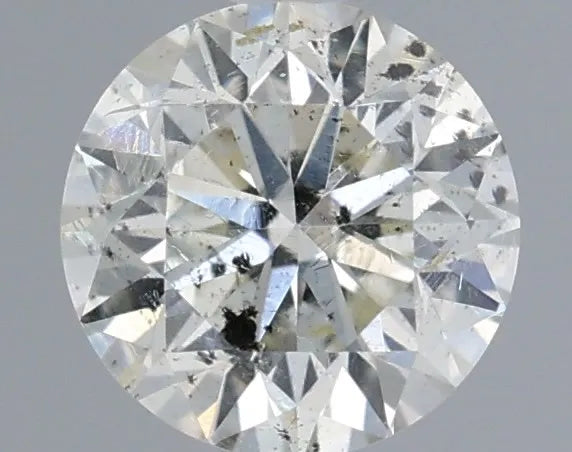
0.31ct Round Natural Diamond (Colour H, Clarity I1, Cut VG, IGI Certified)
£127.00
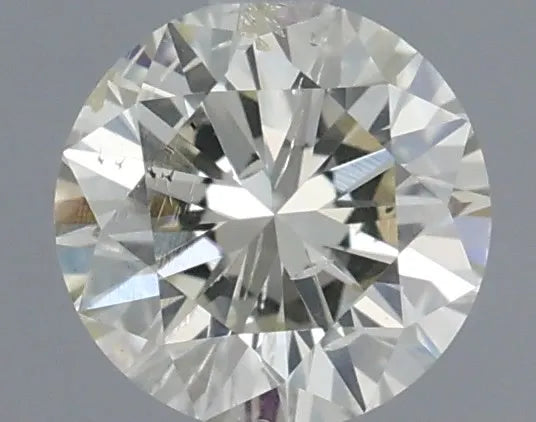
0.30ct Round Natural Diamond (Colour K, Clarity SI2, Cut VG, IGI Certified)
£113.00
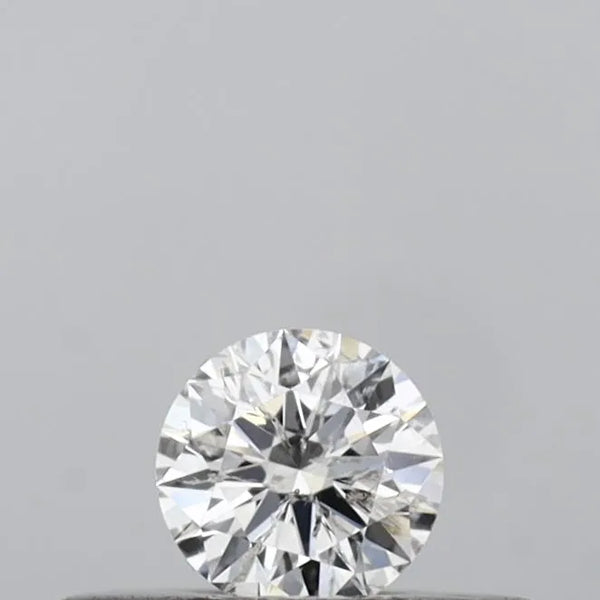
0.14ct Round Natural Diamond (Colour G, Clarity I1, Cut EX, IGI Certified)
£96.00
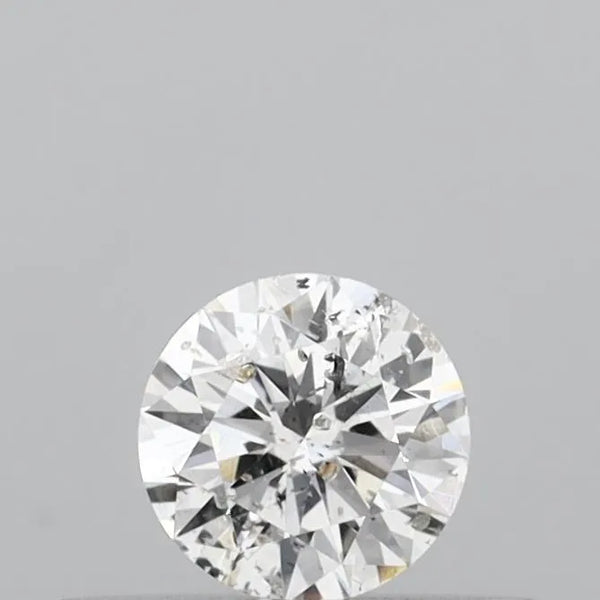
0.23ct Round Natural Diamond (Colour F, Clarity I1, Cut EX, IGI Certified)
£106.00
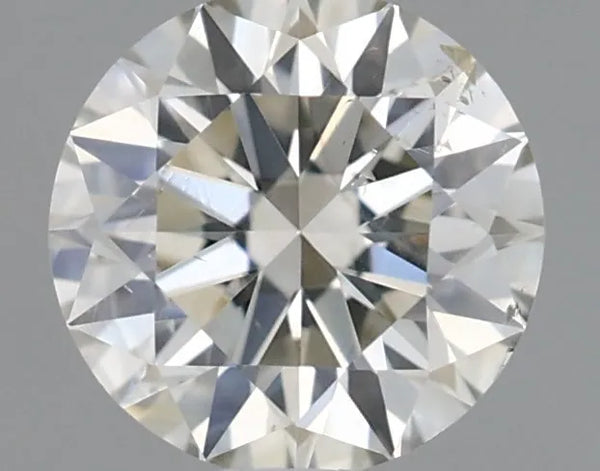
0.33ct Round Natural Diamond (Colour K, Clarity SI2, Cut EX, IGI Certified)
£123.00
Loose & certified
Looking to pair it with a ring?
Every diamond on this page is loose — buy it on its own, set it into a ring of your own design, or pair it with one of our settings. Open any stone, click Set in a ring, and we’ll take you to your engagement, eternity or wedding band options.
Already have a setting in mind? Tap the menu icon and choose Engagement Rings › Ring Builder.