-
Engagement ringsWedding ringsEternity ringsDiamondsGemstones
Sapphire Gemstones
What is a sapphire gemstone?
Sapphire is the gem variety of the mineral corundum, with a Mohs hardness of 9 — second only to diamond — making it one of the most durable stones available for everyday jewellery wear. The blue colour most commonly associated with sapphire comes from trace amounts of iron and titanium within the corundum crystal. However, corundum occurs in virtually every colour except red (which is classified as ruby), producing what the trade calls 'fancy sapphires' — pink, yellow, orange, violet, teal, and the rare padparadscha, an orange-pink variety named after the lotus blossom. Kashmir, Burma (Myanmar), and Ceylon (Sri Lanka) are historically the most celebrated origins, with Ceylon sapphires noted for their vivid cornflower blue and Kashmir stones for a velvety, slightly diffused saturation.
How to choose a sapphire: colour, clarity, and cut
When selecting a sapphire, colour is the primary value driver — specifically hue, tone, and saturation together. The most commercially valued blue sapphires sit at a medium-to-medium-dark tone with strong saturation, free from grey or green secondary hues that can dull the appearance. Clarity expectations for sapphires differ from those for diamonds: some degree of natural inclusions is acceptable, and a sapphire graded 'eye clean' — meaning inclusions are not visible to the unaided eye — is considered high quality. Cut matters significantly because well-proportioned facets maximise the return of colour rather than creating overly dark 'windows' through the stone. Sapphires are commonly faceted in oval, cushion, and round shapes, though emerald-cut sapphires have become increasingly prominent in fine jewellery settings. Treatment should also be considered: heat treatment is the industry norm for improving colour and is widely accepted, while more significant treatments such as beryllium diffusion or fracture filling carry lower collector value and should be disclosed on any grading report.
What does a sapphire gemstone cost in the UK?
Sapphire pricing varies more widely than almost any other coloured gemstone, driven by origin, colour quality, size, and treatment status. Untreated sapphires from prestigious origins such as Kashmir or unheated Ceylon command a significant premium over comparable heated stones. For engagement jewellery, Bridebook's 2026 UK average engagement ring spend of £2,247 provides a reference point, though sapphire rings can sit comfortably above or below this figure depending on stone weight and setting complexity. Fancy-colour sapphires — particularly padparadscha and unheated pink — tend to attract higher per-carat prices than mid-grade blue sapphires at equivalent weights. Laboratory-grown sapphires are chemically identical to natural corundum and are available at a fraction of the per-carat cost of natural stones, making them a practical route to achieving a larger or more vivid stone within a set budget.
How long does a sapphire ring take to make?
Once a loose sapphire has been selected, the ring-making process at our Hatton Garden workshop follows a structured sequence: consultation, CAD design, a silver or wax sample produced for try-on, then casting, setting, finishing, polishing, and hallmarking at the London Assay Office. From order confirmation, lead time is 7–14 working days depending on setting complexity — a simple solitaire claw setting around a sapphire sits toward the faster end, while a pavé-shouldered or halo design takes longer. The wax model stage is particularly useful for sapphire settings because the stone's colour can be assessed against the proposed metal before any metal is committed. All rings carry a lifetime warranty and free resizing for life.
Caring for a sapphire gemstone in daily wear
With a Mohs hardness of 9, sapphire is highly resistant to surface scratching in everyday conditions and is one of the few coloured gemstones routinely recommended for engagement rings intended for continuous wear. It is significantly harder than the metals used in ring shanks, meaning the stone itself will outlast most surface marks on the setting. Sapphires can be cleaned safely at home using warm water, a small amount of mild washing-up liquid, and a soft brush — ultrasonic cleaning is generally safe for untreated or heat-treated stones but should be avoided for sapphires with significant fracture filling or surface-reaching inclusions. Storing sapphire jewellery separately prevents contact with harder stones and reduces the risk of scratching softer pieces in the same box.
Frequently asked questions
Where can I buy a certified sapphire gemstone in the UK?
President Jewellers supplies loose sapphire gemstones from ethical-mine partner suppliers, accompanied by grading reports or certificates of authenticity where available. Stones can be purchased as loose gems for personal collection or set into a hallmarked ring crafted at our Hatton Garden workshop. Free insured UK delivery is included on all orders.
What Mohs hardness does a sapphire have?
Sapphire rates 9 on the Mohs hardness scale, making it the second hardest natural gemstone after diamond. This hardness makes sapphire highly suitable for rings and jewellery worn daily, as it resists surface scratching far better than softer coloured stones such as emerald or opal.
Is a heat-treated sapphire worth buying?
Heat treatment is the accepted industry standard for sapphires and does not diminish a stone's beauty or durability. The vast majority of commercial sapphires are heat-treated to improve colour and clarity. Untreated sapphires command a premium due to their rarity, but a high-quality heated sapphire with strong colour and good clarity is a sound choice for fine jewellery.
What is the difference between a natural and a lab-grown sapphire?
Natural sapphires are mined corundum formed over millions of years; lab-grown sapphires are produced in controlled conditions but are chemically and optically identical to natural stones. Natural sapphires typically carry higher per-carat prices, particularly from sought-after origins. Lab-grown sapphires offer the same hardness and colour at a lower cost, making a larger or more vivid stone achievable within a tighter budget.
Can a sapphire gemstone be returned if it is not right?
Loose sapphire gemstone purchases carry a 30-day return period with no exclusions. If the sapphire has already been set into a ring as a bespoke order, the standard ring return policy applies and custom orders are excluded from returns — so it is worth confirming the stone before setting work begins.
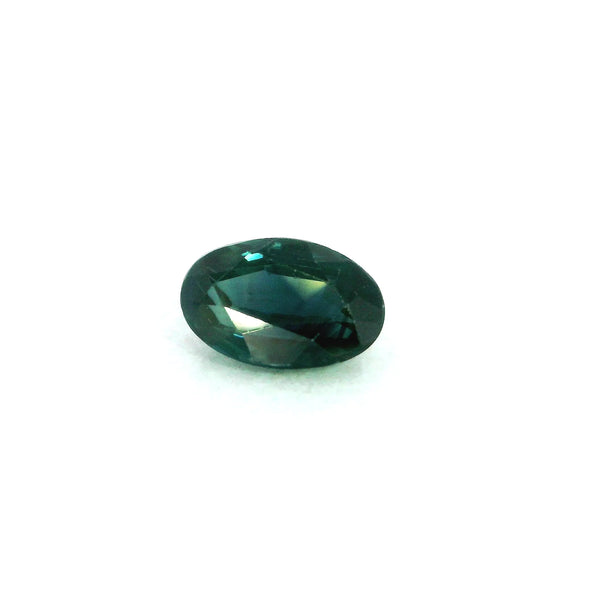
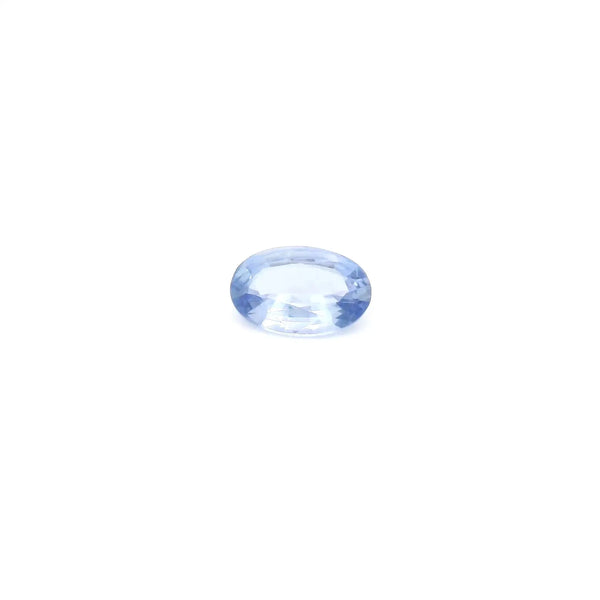
Featured sapphire gemstones
Hand-selected pieces from the President Jewellers catalogue
You might also like
Related collections and pages from President Jewellers
Loose & certified
Looking to pair it with a ring?
Every gemstone on this page is loose — buy it on its own, set it into a ring of your own design, or pair it with one of our settings. Open any stone, click Set in a ring, and we’ll take you to your engagement, dress or cocktail ring options.
Already have a setting in mind? Tap the menu icon and choose Engagement Rings › Ring Builder.
What our customers say
From your first question to your finished ring — our Hatton Garden specialists are here throughout. Crafted for your forever.
From your first question to your finished ring — our Hatton Garden specialists are here throughout. Crafted for your forever.