-
Engagement ringsWedding ringsEternity ringsDiamondsGemstones
Oval Sapphire Gemstones
What makes an oval sapphire distinct?
An oval sapphire is a brilliant-cut corundum shaped to an elongated outline, typically with a length-to-width ratio between 1.30 and 1.60. The oval cut spreads the stone's face-up area, making colour saturation read more openly than in a round. For sapphires specifically, the oval shape works with the crystal's natural pleochroism — the way corundum shows different hues along different optical axes. Cutters orient the rough so the strongest blue (or pink, yellow, teal) is drawn through the table, while the elongated ends carry softer secondary tones. The result is a stone that shifts subtly as it moves, holding more visible colour per carat than a tightly proportioned round.
How to choose an oval sapphire
Prioritise colour first, then clarity, then cut proportions — sapphire value is led by hue and saturation more than by the 4Cs hierarchy used for diamonds. A vivid, evenly saturated blue with no visible zoning sits at the top of the range; cornflower and royal blue are the most sought tones. For oval sapphires, check the length-to-width ratio against your preference: 1.30-1.40 reads fuller and rounder, 1.50-1.60 reads longer and more graceful on the finger. Watch for a 'bowtie' — a darker band across the centre common in oval cuts. A well-cut oval sapphire minimises this. Heat treatment is standard and disclosed; unheated stones carry a premium and certification will note the distinction.
What does an oval sapphire cost in the UK?
Oval sapphire prices are driven by colour saturation, origin, treatment status and carat weight, with origin and colour outweighing size at the top end. A commercial-quality 1ct oval blue sapphire sits well within Bridebook's 2026 UK average engagement ring spend of £2,247 when set into a simple solitaire; a fine unheated Ceylon or Kashmir stone of the same size can multiply that figure several times over. Pink and yellow ovals tend to price below blue at equivalent quality, while padparadscha — the pink-orange variety — commands the highest premium per carat. Every loose oval sapphire is sold with certification confirming species, treatment and weight, so the price reflects a documented stone.
Wearing and setting an oval sapphire
Sapphire scores 9 on the Mohs scale, second only to diamond, which makes an oval sapphire suitable for daily wear in an engagement or dress ring. The elongated shape pairs cleanly with a four- or six-claw solitaire, a hidden halo, or a delicate diamond surround that echoes the oval outline. White metals — platinum or white gold — keep the focus on the stone's colour; yellow gold warms blue sapphires and intensifies the depth of pink or yellow varieties. When the loose oval sapphire is set into one of our rings, the ring is finished and hallmarked at the London Assay Office, with a 7-14 working day lead time from confirmation.
Certification and returns on loose oval sapphires
Every loose oval sapphire is supplied with a grading report or certificate of authenticity confirming species (natural corundum), variety, weight, measurements and any treatment. Reports from recognised gemmological laboratories accompany higher-value stones, particularly those of significant carat weight or premium origin. Loose oval sapphires ship with complimentary insured UK delivery and a 30-day return window — no questions, no exclusions — so the stone can be examined under your own light before any decision to set it. If the sapphire is later commissioned into a ring, the standard ring process and lead time then apply.
Frequently asked questions
Where can I buy a loose oval sapphire in the UK?
Loose oval sapphires are available through our online selection and at our Hatton Garden showroom by appointment. Each stone is certified, sourced from ethical-mine partner suppliers, and shipped with complimentary insured UK delivery. Returns are accepted within 30 days with no exclusions, so the sapphire can be assessed in person or against an existing setting before commitment.
Are oval sapphires durable enough for daily wear?
Yes. Sapphire registers 9 on the Mohs hardness scale, making it one of the most wear-resistant coloured gemstones available. An oval sapphire holds up well in an engagement ring worn every day, though the pointed ends of the oval benefit from a setting with protective claws or a slight bezel at the tips to guard against knocks.
What length-to-width ratio is best for an oval sapphire?
Most oval sapphires fall between 1.30 and 1.60. A ratio near 1.35 reads fuller and more rounded; closer to 1.55 reads elongated and slimmer on the finger. Personal preference and finger proportion guide the choice — there is no single correct ratio, though well-cut stones at either end of the range show even colour and minimal bowtie effect.
Are most oval sapphires heat-treated?
Yes. Routine heat treatment to improve colour and clarity is standard practice and accepted across the trade. Treatment is always disclosed on the certificate. Unheated oval sapphires — particularly those of Ceylon, Kashmir or Burmese origin — are rarer and carry a notable premium, with documentation from a recognised laboratory confirming the no-heat status.
Can an oval sapphire be set into a custom ring?
Yes. A loose oval sapphire can be set into a bespoke design through our CAD and silver or wax sample process, with try-on at our Hatton Garden showroom before casting. Lead time is 7-14 working days from final approval, depending on complexity, and the finished ring is hallmarked at the London Assay Office.
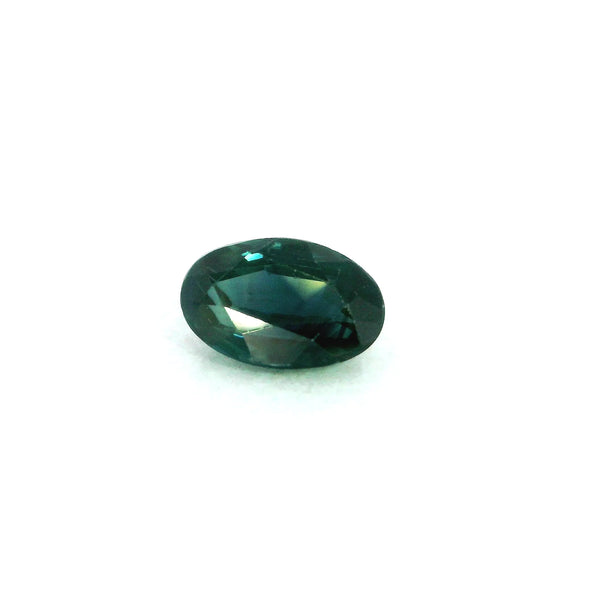
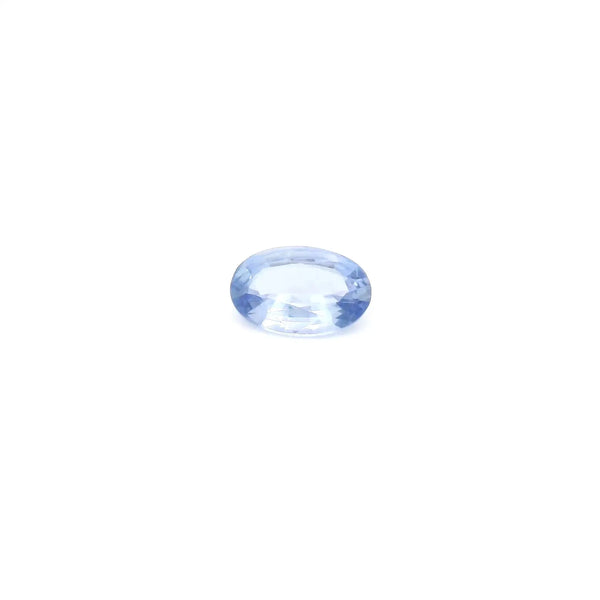
Featured oval sapphire gemstones
Hand-selected pieces from the President Jewellers catalogue
You might also like
Related collections and pages from President Jewellers
Loose & certified
Looking to pair it with a ring?
Every gemstone on this page is loose — buy it on its own, set it into a ring of your own design, or pair it with one of our settings. Open any stone, click Set in a ring, and we’ll take you to your engagement, dress or cocktail ring options.
Already have a setting in mind? Tap the menu icon and choose Engagement Rings › Ring Builder.
What our customers say
From your first question to your finished ring — our Hatton Garden specialists are here throughout. Crafted for your forever.
From your first question to your finished ring — our Hatton Garden specialists are here throughout. Crafted for your forever.